• Sourdough Bread

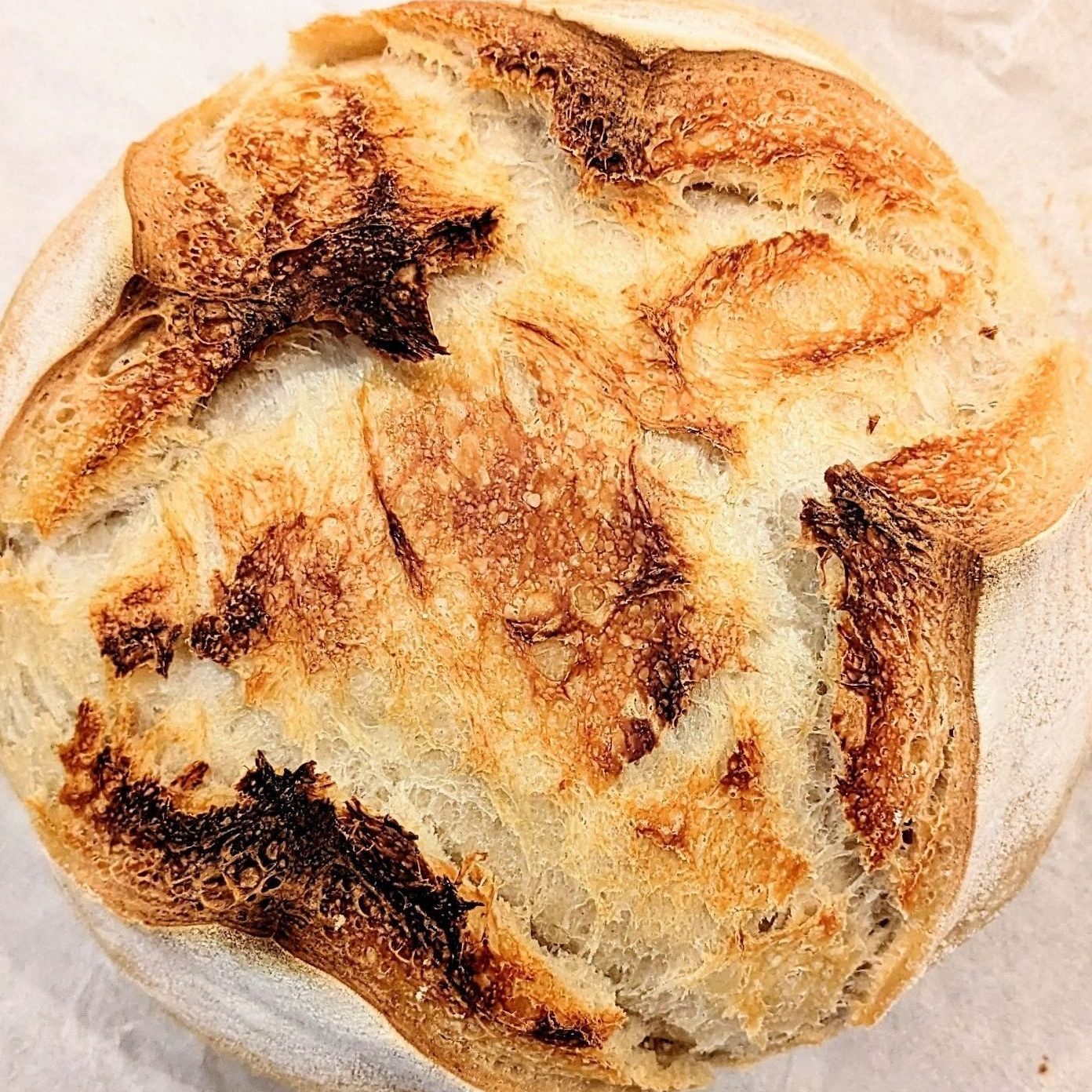
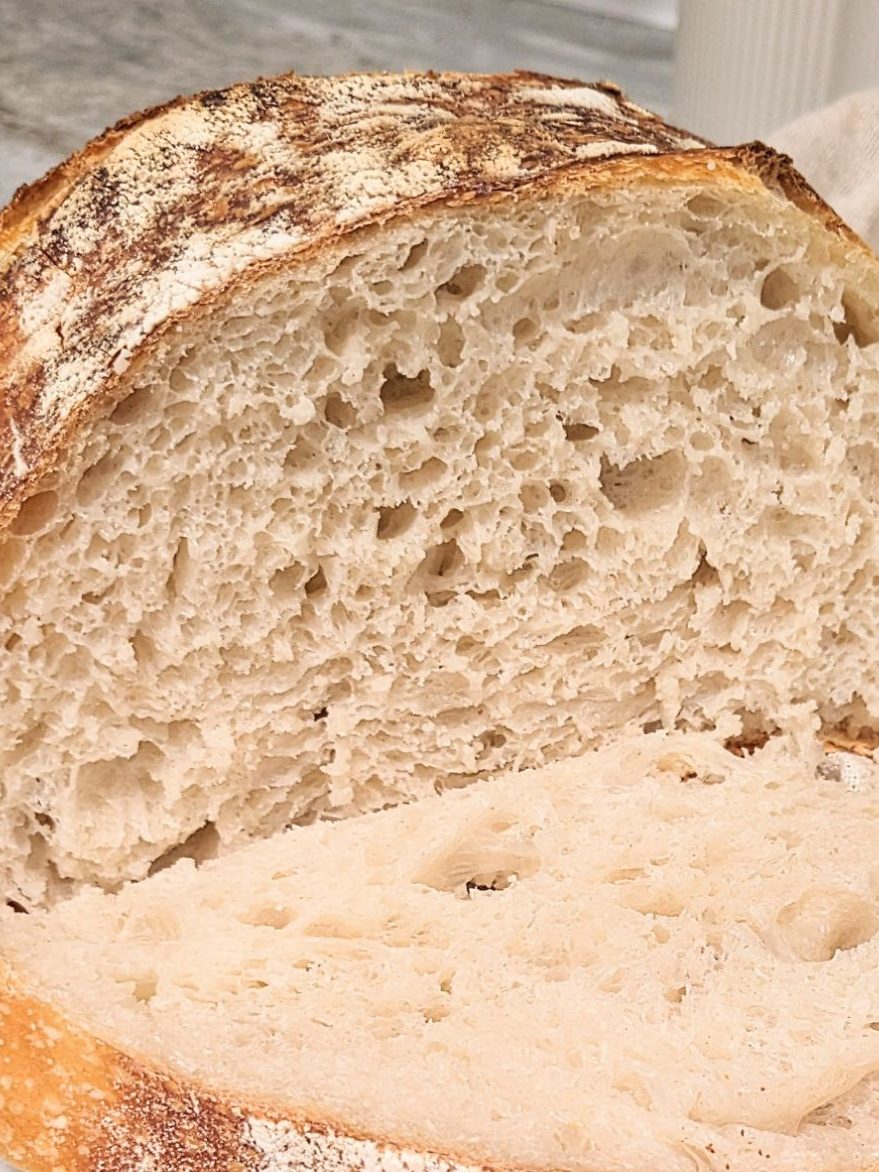
    This is my recipe for fresh sourdough bread with a light airy crumb and a golden crunchy crust.
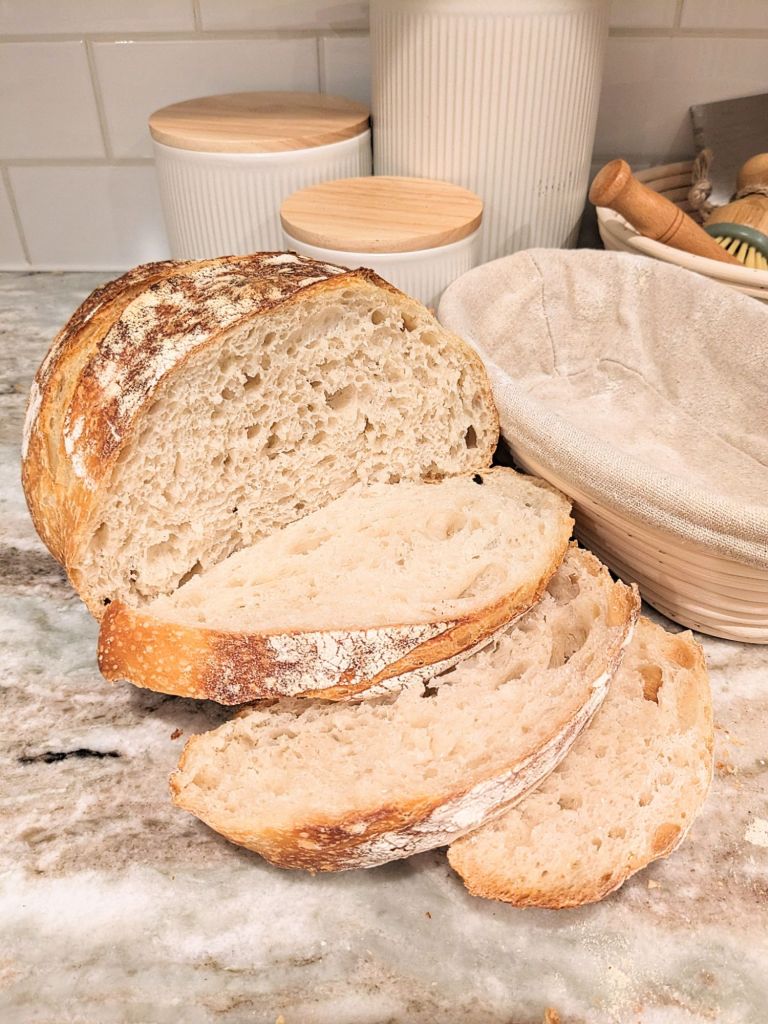
    What is Sourdough Bread?

    Sourdough bread is leavened naturally with a starter made from wild yeast in the environment instead of commercial yeast or a chemical leavening like baking powder or baking soda.

    What is Sourdough Starter?

    Sourdough starter is a mixture of flour and water that uses wild yeast from the environment and lactobacilli. This ancient technique is what makes the bread rise.

    You can make your starter from scratch (preferably in the warmer months, unless you have a very warm area in your home) with un-bleached flour and distilled or well water. I don’t recommend using city water, as it contains chemicals that will kill the bacteria and your bread will not rise. Your starter will need to be fed every day until it is mature (2-4 weeks depending on water and climate), at which point you can keep it in the refrigerator until you need it. It can be kept in the fridge for a couple of months in-between uses (be sure to keep in the coldest area of the fridge). You may need to feed it twice to wake it up before using.

    You can also buy a starter from a reputable source, which will be mature right away, and you can start baking immediately.

    What Do You Need?

    • Digital scale
    • Large bowl
    • Dough whisk
    • Baking bench scraper
    • Tea towels
    • Parchment paper
    • Banneton basket or bowl
    • Active bubbly starter
    • Razor
    • Dutch oven
    • Sharp knife
    1. Mix the Dough
    2. Stretch and Fold
    3. Bulk Fermentation
    4. Shaping and Bench Rest
    5. Second Proof
    6. Scoring and Baking

    To make a classic sourdough bread, you’ll need the following ingredients:

    • 50-100g active bubbly starter (less if you are in a warmer climate, more if you are in a colder climate)
    • 375 g of warm water (distilled or well, do not use city water)
    • 500 g of un-bleached bread flour
    • 12 g salt

    Here are the steps to follow:

    1. In a large mixing bowl, combine the sourdough starter and water.
    2. Add the flour and salt, mixing with a dough whisk until a shaggy dough forms.
    3. Cover with a damp tea towel and let rest for 30-45 minutes.
    4. Perform a series of stretch and folds every 30 mins, stopping after 2-3 hours.
    5. Place the covered dough in a warm area for 8-10 hours (or until it has reached 150% of it’s size)
    6. Using a bowl scraper, remove the dough from the bowl onto a lightly floured surface.
    7. Perform one more stretch and fold, flip it over, and shape into a round by turning it a quarter turn and tucking your hands under the dough. Let it bench rest for 30 minutes.
    8. Prepare a bowl or banneton basket with a dry tea towel and lightly dust with flour. Place the dough in seam side up.
    9. Cover with a tea towel and place the the refrigerator for 12-48 hours. (the longer it ferments, the more open the crumb will be)
    10. When you are ready to bake, preheat a dutch oven to 500 degrees for 30 minutes.
    11. Flip the dough over onto a piece of parchment paper (seam side down).
    12. Score an “X” into the top of the loaf using a razor, place it into the preheated Dutch oven, cover with the lid, and bake for 30 minutes.
    13. Remove the lid and bake for an additional 15 minutes, or until the crust is golden brown.
    14. Cool the sourdough bread on a wire rack for at least an hour before slicing. (If you don’t allow the bread to cool completely before slicing, it will be gummy and seem underbaked.

    Enjoy your freshly baked sourdough bread!
  • Imagine rich buttery poundcake and fresh zesty lemons for a perfectly soft, melt in your mouth cookie. They barely lasted 24 hours in my house, and they are such a simple bake! These cookies have an irresistible sweet glaze, leaving you wanting another!

    Prep Time : 15 minutesTotal Time : 25 minutes
    Cook Time: 10-12 minutesYield: 28-30 cookies

    These cookies have the perfect texture, moist and chewy on the inside and slightly crisp on the outside. Combine that with the richness of the buttery poundcake and the brightness of the fresh lemon to make these cookies irresistible!

    Why will you love these Lemon Poundcake Cookies?

    • They melt in your mouth
    • They are simple to bake
    • They are rich yet fresh
    • They are perfect paired with coffee or tea
    • They are pretty!

    Tip: Be sure to zest the lemons before you juice them! It is much easier to zest a whole lemon.

    How to eat these Lemon Poundcake Cookies?

    You can serve these with tea or coffee. (I love them with a cup of Earl Gray Tea) They also go great with milk or just as a stand alone they are amazing! These cookies are perfect for snacking and sat on my counter for less than a day because everyone ate them up!

    How to store Lemon Poundcake Cookies?

    Once cooled, store in an airtight container for up to 5 days (although I doubt they will last that long!) You can freeze baked cookies or dough for up to 3 months.

    Irresistible Lemon Poundcake Cookies Recipe

    These delightful lemon cookies are perfect for any occasion, providing a burst of citrus flavor in every bite!

    Ingredients

    • Cookies
      • 1 cup softened unsalted butter
      • 1 cup granulated sugar
      • 1 large egg
      • 2 lemons (zested and juiced)
      • 2 1/2 cups all-purpose flour
      • 1/2 teaspoon baking powder
      • 1/4 teaspoon salt
      • 1/2 teaspoon vanilla extract
    • Glaze
      • 1 cup powdered sugar
      • 2 tablespoons lemon juice (1 lemon juiced)
      • Lemon zest for garnish

    Instructions

    1. Preheat the oven to 350°F (175°C) and line a baking sheet with parchment paper.
    2. In a large bowl, cream together the softened butter and granulated sugar until light and fluffy.
    3. Beat in the egg, vanilla, lemon juice, and lemon zest until well combined.
    4. In a separate bowl, whisk together the flour, baking powder, and salt. Gradually add the dry ingredients to the wet ingredients, mixing until just combined.
    5. Drop tablespoons of dough onto the prepared baking sheet, spacing them about 2 inches apart.
    6. Bake for 10-12 minutes, or until the edges start to turn golden.
    7. While the cookies are baking, prepare the glaze by mixing the powdered sugar and lemon juice in a bowl until smooth (be sure to remove any pulp or seeds from the juice for a smooth glaze).
    8. Once the cookies are done, let them cool on the baking sheet for a few minutes before transferring them to a wire rack to cool completely.
    9. Drizzle the lemon glaze over the cooled cookies and sprinkle with lemon zest for garnish.
    10. Enjoy your lemon cookies with a cup of tea or coffee!

    Storage

    Store the cookies in an airtight container at room temperature for up to 5 days. You can also freeze them for up to 3 months for future enjoyment.

    FAQ

    Can I substitute the eggs?

    Yes, the eggs can be substituted for many different things. The texture may be a bit different but you could use 1/4 cup of plain or soy yogurt. You could also use ground flaxseed or silken tofu.

    Can I use bottled lemon juice instead of lemons?

    Yes, of course you can. This will slightly change the flavor though and the cookies will not taste as lemony fresh (some also may contain preservatives and other ingredients).

    Can I make the dough ahead of time?

    Yes you can! This dough will keep well for up to 3 days in the fridge when stored in an airtight container and will still taste super fresh!

    Can I double this recipe?

    Yes, you absolutely can! No need for any alterations, just double the ingredients!

  • How to Bake the Best Sourdough Rye Bread

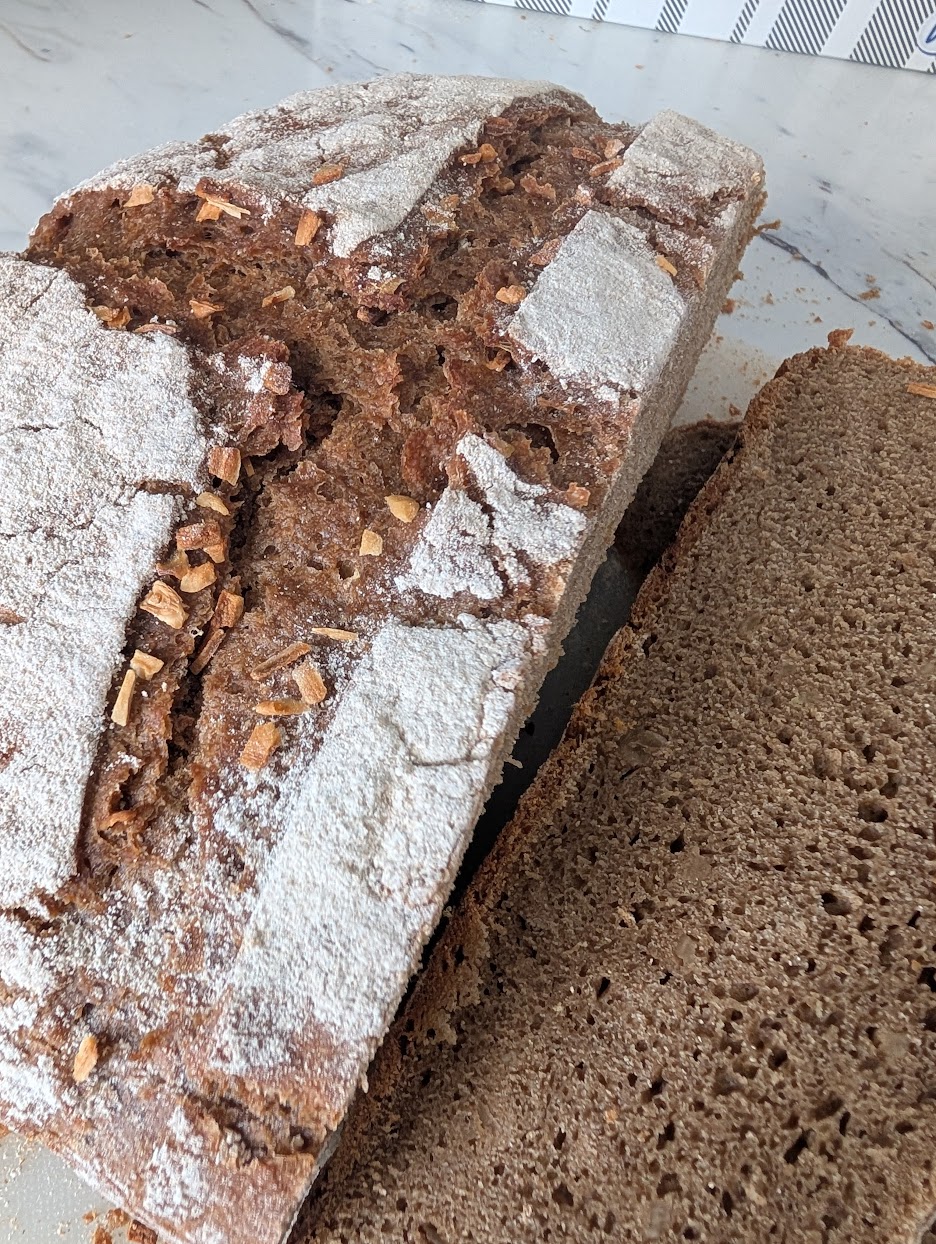
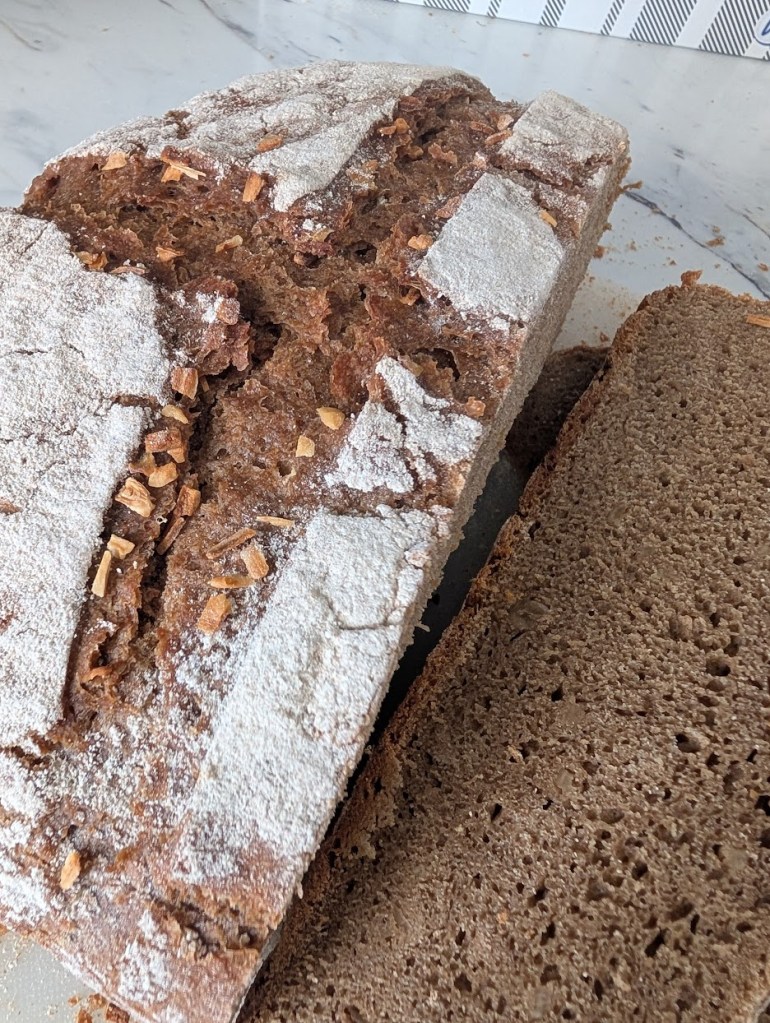
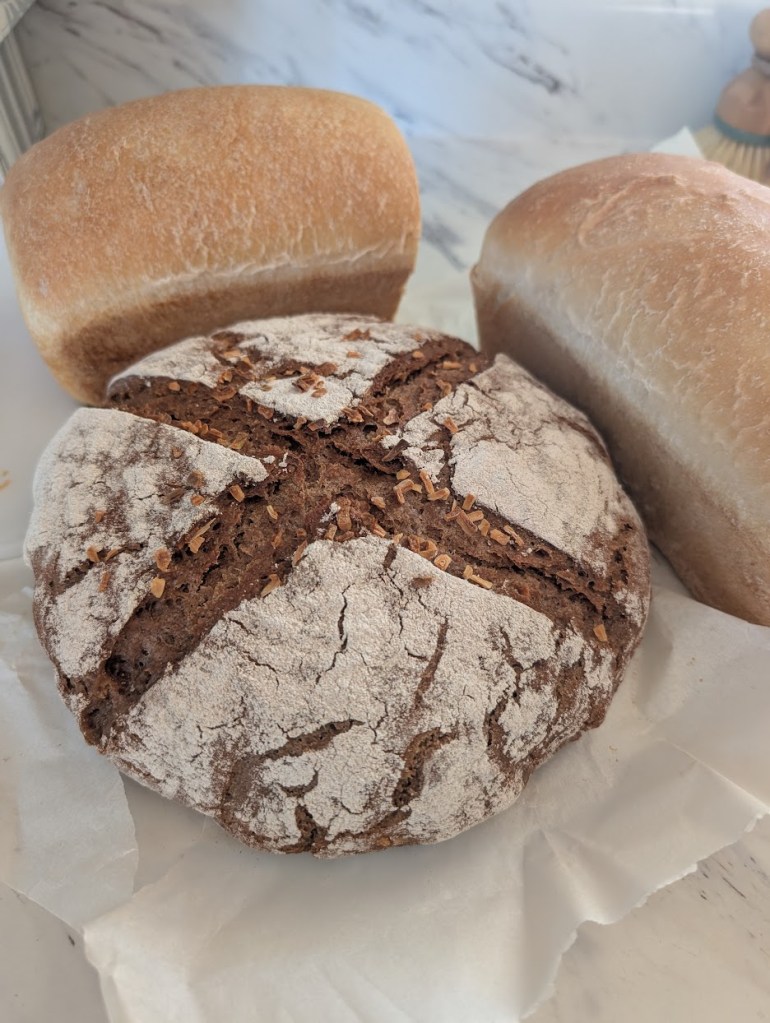
    This artisan rye is made mostly with whole-grain rye flour for an extraordinary malty and flavorful loaf of bread. Perfect for open-faced sandwiches or smothered with spinach dip, it’ll be an instant favorite and a new staple in your baking rotation.

    A good New York deli rye will always be my favorite bread. It makes for the best sandwiches with fresh garden tomatoes, it’s a great vehicle for spinach dip, and it is the best buttered toast to go alongside eggs and chipped beef.

    Naturally, I wanted to create a gut healthy sourdough rye that resembled that amazing New York deli rye of my childhood. This wholegrain sourdough rye bread boasts that hearty rye flavor with a crunchy crust and an onion accent that will keep you going back for more.

    How is rye flour different than wheat flours?

    If you are new to using rye flour, here are a few tidbits of information on using it to make rye sourdough bread.

    • Breads baked with rye flour will be a bit more dense than bread made with whole wheat flour, so we add 10% of a high protein flour like bread flour or all purpose flour to lighten the loaf a bit.
    •  Sourdough bread made with rye will ferment faster because micronutrients in rye flour encourage fermentation.
    • You need to use a preferment (levain) because sourdough rye bread has a high acidity and low PH.

    Rye dough will feel very wet and much stickier compared to working with high gluten flours (all purpose and bread flours). This is normal, and you shouldn’t worry!– Wet your hands before mixing to avoid the dough sticking to your hands. Knowing this before making this recipe is important.

    What is rye?

    Rye flour is milled from rye berries just as wheat is milled from wheat berries. It has a nutty, earthy and malty flavor and is categorized by how much of the rye kernel is in the ground flour (endosperm, bran and germ). Pumpernickel is actually the darkest type of rye flour and contains all of the ground up rye berry.

    Is Rye healthy?

    Yes! Rye naturally has less gluten than wheat, and the fermentation breaks down the gluten even more, so for those with gluten sensitivities, rye is a great choice. Rye has a higher nutrition profile than wheat, and has more soluble fiber.

    Baker’s Timeline
    7:00 pmMake the levain
    7:00 am (the next morning)Mix and bulk ferment
    7:30 amShape and proof
    8:30 amBake

    Do I need the levain?

    The levain, also known as preferment, is definitely going to help this recipe to be the best it can be. If you skip the preferment, then you might get a gummy layer between your crust and crumb. You need the levain to be ripe in order to properly acidify the rye in order to avoid a gummy bread. The levain also will deepen the flavor creating a better flavor profile.

    Ingredients:

    Levain

    • 270g whole rye flour
    • 270g water
    • 40g active sourdough starter at 100% hydration

    Dough

    • 270g whole rye flour
    • 60g bread flour or all purpose flour
    • 270g water
    • 12g fine sea salt
    • 1 tbsp black strap molasses
    • 2 tbsp dried onion flakes
    • the levain

    Instructions

    1. Prepare the levain – 7:00 p.m.
      Mix the Levain ingredients in a medium bowl and leave them covered with a lid or plastic wrap at a warm room temperature, 72-76°F, to ferment overnight.
    2. Mix – 7:00 a.m. (the next morning)
      Use warm mixing water (80-85°F). Place the flour, water, salt, molasses, onion flakes and levain in a large bowl. We your hands as the dough is very sticky, or use a dough whisk, mix thoroughly. Shape the dough into a ball in the center of the mixing bowl.
    3. Bulk fermentation – 7:15 a.m.
      At a warmish room temperature, 72-76°F, bulk fermentation should take 20-45 minutes.Cooler temperatures may take longer. The dough should rise about 25%.
    4. Shape – (after bulk ferment)
      Prepare a banneton basket with a tea towel and generously dust with rye flour (this dough is very sticky!). Scrape the dough out onto a well floured work surface. Now you will perform one set of stretch and folds (light on the stretch). To do this, imagine there are 4 sides to the dough, fold one side of the dough over to about the middle. Then fold each side over to the middle until you have a square shape. Now flip the dough over and use your hands to shape it into a ball again. Scoop up the dough and place it seam-side-down into the prepared proofing basket. Dust the top of the dough with more whole rye flour. Cover the basket with plastic wrap, beeswax or place into a plastic shopping bag to proof for an hour or so.
    5. Proof – (1-2 hours)
      At room temperature, this rye sourdough bread should take 1 hour to proof (in the colder months or if your kitchen is cool, it may take 2 hours).
    6. Bake
      Preheat a Dutch oven at 450°. Once preheated, place a piece of parchment paper on top of the dough and flip it over seam side down. You can score the dough if you like, or allow it to naturally crack for a more rustic look. Top with more onion flakes if desired, and place into the preheated Dutch oven with the lid on. Bake for 30 minutes, then remove the lid and lower the temperature to 400°. Bake without the lid for an additional 20-25 minutes. You will know it is done when the crust is a deep golden brown and a knock to the bottom sounds hollow. Let the bread cool on a wire rack for an hour or longer, until completely cool. Place in a plastic or paper bag for and wait 24 hours before slicing (we have never once been able to wait the full 24 hours!)

    Since sourdough is naturally fermented, the bread will last a bit longer than other breads that don’t use preservatives. To get the most out of your sourdough rye bread, store in an airtight container and it will last for 4 days. You can also freeze for up to 3 months.

    FAQ

    Why is my sourdough rye bread gummy?

    You probably cut the bread too early or did not allow the levain to ripen for enough time. Make sure you allow 12 hours for the levain to ripen and after baking the bread should be fully cooled, preferably for 24 hours.

    Do I need a Dutch Oven?

    No, not necessarily. You can use a pizza pan and “steam” the bread during the initial 30 minute bake by spraying with a spray bottle filled with water. You could also use a loaf pan or other oven-proof vessel.

    Why is the crust separating from the bread?

    If your top crust or “flying crust” is separating from the rest of your loaf, then your dough was either too hydrated or your levain was not ripe enough. Be sure to allow 12 hours in a warm room to fully ripen.

    Is rye sourdough good for gluten intolerance?

    Although rye sourdough is naturally low in gluten, and the fermentation process breaks down even more gluten, it is not gluten free. It is better than typical breads for gluten intolerance.

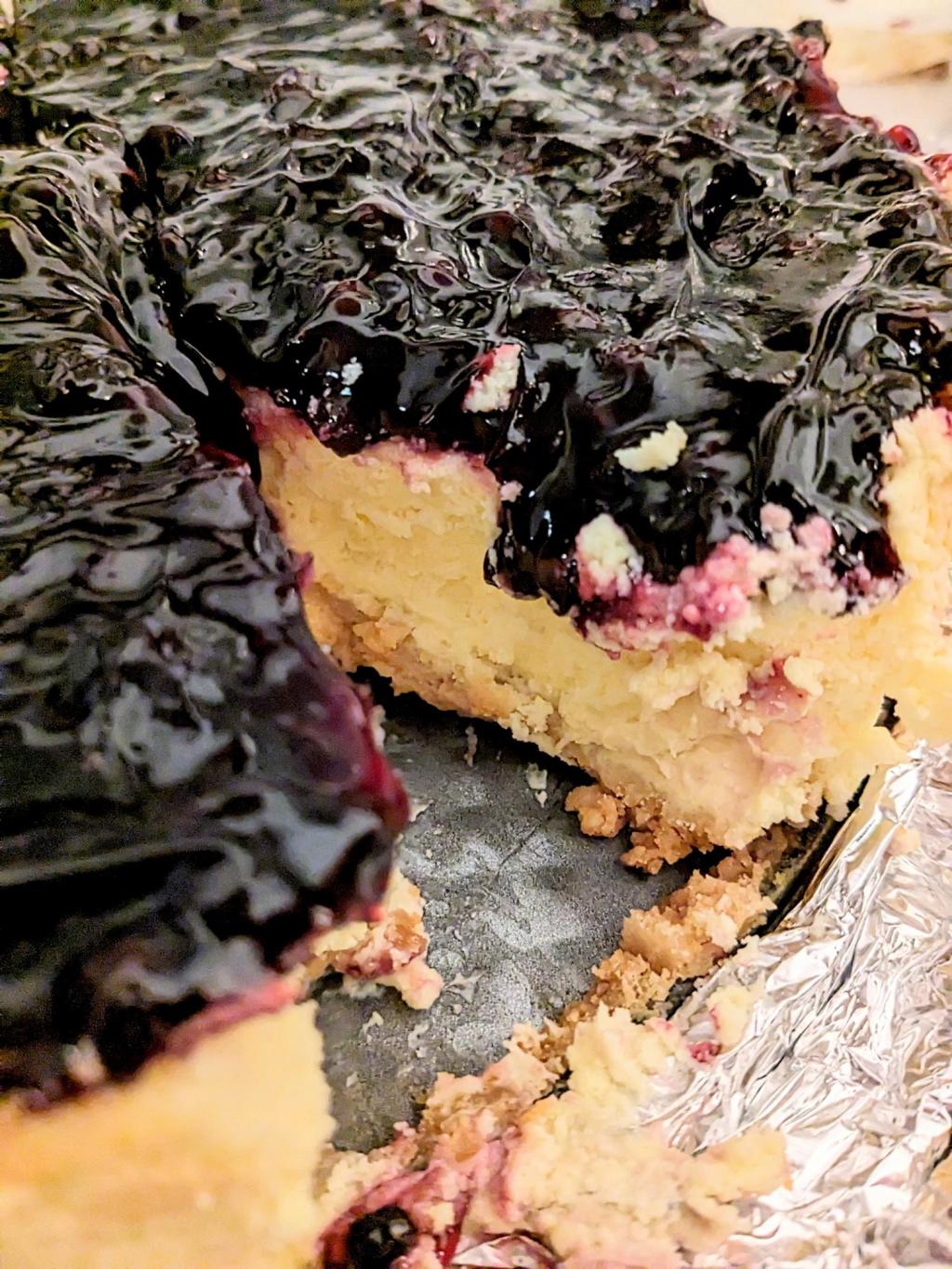
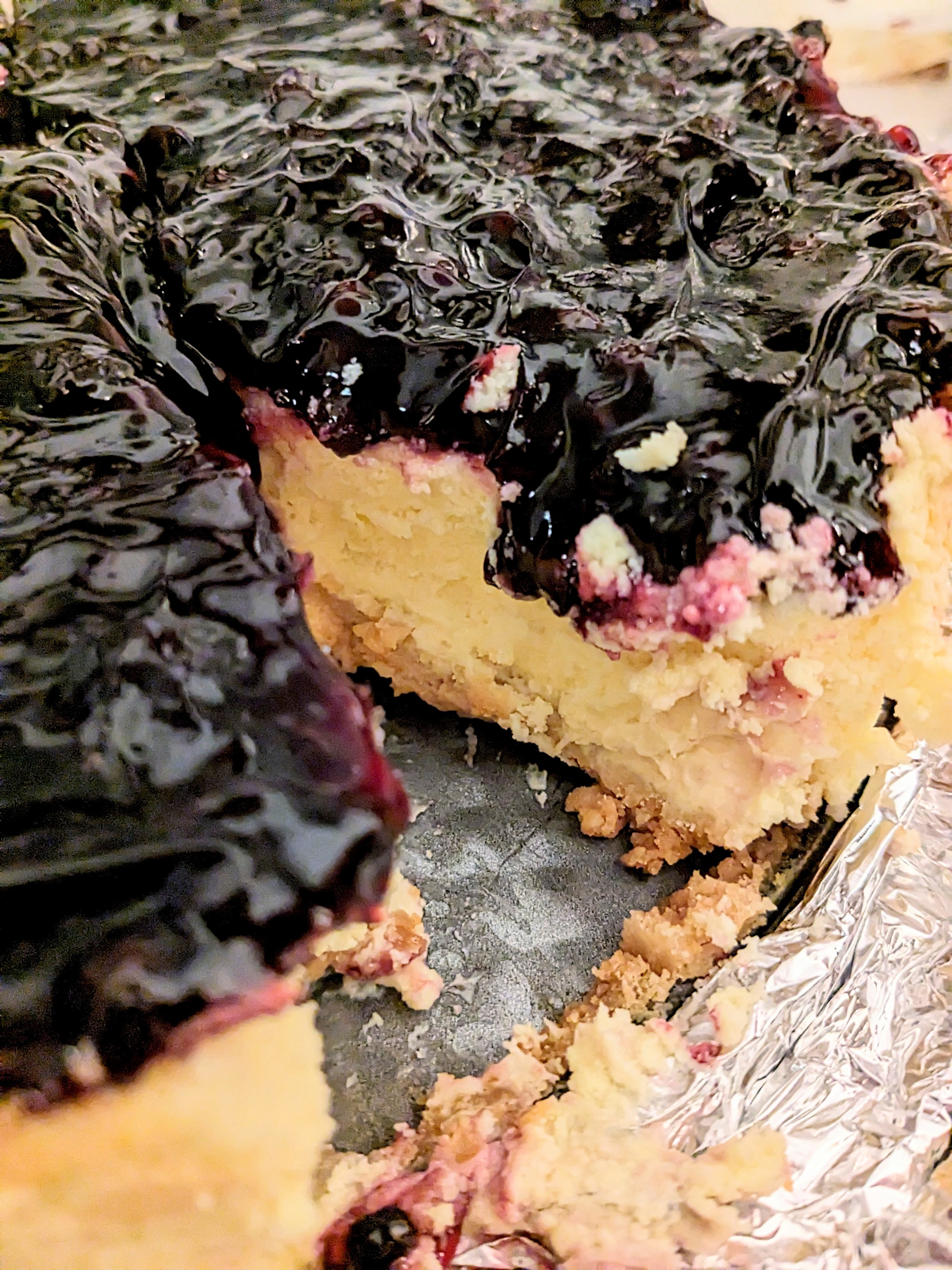
  • Homemade Cheesecake with Blueberry Topping

    This cheesecake is a very very old family recipe. Its similar to a New York Cheesecake, but it’s even creamier and smoother!

    Homemade Cheesecake with Blueberry Topping

    I define a good cheesecake is creamy and moist, but slightly dense, similar to a New York Cheesecake. You can add all kids of toppings or crusts to change the variety, but the base is always the same. Good quality cream cheese (Philadelphia brand), eggs, sugar, and vanilla. It is important to have all ingredients at room temperature, so everything combines well. Cheesecake is an art and a science, and can be difficult to master. From my 20 years of baking experience and family “secrets” passed down to me, I can help you to bake a delicious cheesecake!

    Tips and Tricks

    All of your ingredients should be room temperature. This is important so everything combines well.

    You need to use a springform pan. This is so you can release your cheesecake from the pan so you are able to serve it.

    You should bake it in a water bath. This keeps the top from cracking. If your top does crack, don’t worry too much because you can always cover it with the topping.

    The cheesecake needs to sit in the oven for 1-2 hours after it is done baking. This allows for the temperature to slowly come down and avoid cracking.

    When it is done baking, the sides should be set and the middle should be slightly jiggly.

    It should sit in the fridge overnight or for 5-6 hours minimum. It needs to set.

    Creamy Cheesecake with Fresh Blueberry Topping

    This recipe takes the classic New York Cheesecake up a notch, making it even creamier and smoother. It’s a real treat for any special occasion, and everyone will love it.

    Homemade Cheesecake with Blueberry Topping

    Ingredients:

    • 1 1/2 cups graham cracker crumbs
    • 1/4 cup granulated sugar
    • 1/2 cup unsalted butter, melted
    • 4 packages pf Philadelphia cream cheese, room temperature
    • 1 1/4 cups sugar
    • 1 teaspoon pure vanilla extract
    • 4 large eggs, room temperature
    • 1 cup fresh blueberries
    • 1/4 cup granulated sugar
    • 1/4 cup water
    • 1 tablespoon lemon juice

    Instructions:

    1. Prepare the Crust:
      • Preheat the oven to 325°F (163°C).
      • In a mixing bowl, combine the graham cracker crumbs, 1/4 cup sugar, and melted butter. Press the mixture into the bottom of a 9-inch springform pan. Bake for 10 minutes, then set aside to cool.
    2. Prepare the Filling:
      • In a large bowl, beat the cream cheese, 1 1/4 cups sugar, and vanilla extract until smooth.
      • Add the eggs one at a time, mixing well after each addition.
    3. Bake the Cheesecake:
      • Pour the filling over the cooled crust. Place the springform pan in a larger roasting pan and fill the roasting pan with boiling water until it reaches halfway up the sides of the springform pan.
      • Bake for 55-60 minutes, or until the center is set and the edges are slightly puffed.
      • Turn off the oven and let the cheesecake cool in the oven for 1-2 hours with the door cracked.
    4. Prepare the Blueberry Topping:
      • In a saucepan, combine the fresh blueberries, 1/4 cup sugar, water, and lemon juice. Simmer over medium heat, stirring occasionally, until the berries burst and the mixture thickens.
      • Remove from heat and cool to room temperature.
      • Place in the refrigerator until ready to use.
    5. Assemble the Cheesecake:
      • Once the cheesecake has cooled in the oven, remove it from the water bath and run a knife around the edges to loosen it from the pan.
      • Refrigerate the cheesecake for at least 5-6 hours, or preferably overnight, to allow it to set.
    6. Serve:
      • Before serving, spread the blueberry topping over the chilled cheesecake.

    Enjoy this decadent creamy cheesecake with a luscious fresh blueberry topping, a true delight for dessert lovers!

  • Healthy Butternut Acorn Squash Soup

    This simple soup can be enjoyed warm or cold, and has a hint of natural sweetness from roasted apples.

    Healthy Butternut Acorn Squash Soup

    This rich and healthy butternut acorn squash soup recipe is super simple and easy to make. I made this even easier to make by cutting the squash in half and roasting it, instead of peeling and cubing it which is a major chore. This recipe is perfect for the fall season, and can be enjoyed warm with crusty homemade sourdough bread or served cold with a dollop of sour cream.

    How to make Healthy Butternut Acorn Squash Soup:

    I started by using a big knife and cutting the squash in half. Then drizzle some extra virgin olive oil on the inside and salt them a bit. Roast them face down on 350 for 45 minutes until fork tender. About 15-20 minutes before the squash is done, add to the pan 2 cubed apples until everything is nice a roasty. Most recipes call for brown sugar, but this tastes just as good and is much healthier when you substitute with apples. While everything was roasting, dice and sauté half of a sweet onion in a pot. Once the onion is translucent, add a quart of good chicken bone broth (vegetable broth for the vegetarian version). It is important to use bone broth because it has more protein and helps you stay fuller for longer. Keep that on super low heat until the squash and apples are done roasting.

    Once the apples and squash are and fork tender, use a spoon to scoop out the flesh and add it to the pot with roasted apples, cinnamon, fresh ginger, turmeric, and cream cheese. You could also add some nutmeg, which I totally forgot about until now but it would have been a great addition. Then turn off the heat and use an immersion blender (my favorite new tool), to puree everything together. If you don’t have this handy tool, you can use a regular blender and puree it in batches.

    Serve with fresh parsley on top and some crunchy bread like homemade sourdough. It’s that simple! My kids love it and drink it out of a cup after dinner.

    Butternut Acorn Squash Soup Recipe

    Healthy Butternut Acorn Squash Soup

    This awesome and healthy recipe for butternut acorn squash soup is just perfect for the fall. You can cozy up with a bowl of this goodness alongside some crusty bread, or enjoy it cold with a dollop of sour cream. It’s made with roasted apples, cinnamon, and fresh ginger, giving it a hint of natural sweetness that is super delightful.

    Ingredients:

    • 1 butternut squash
    • 1 acorn squash
    • 2 apples (peeled and cored)
    • 1/2 sweet onion, diced
    • 1 quart chicken broth (or vegetable broth for a vegetarian version)
    • Extra virgin olive oil
    • Salt
    • 1 tsp cinnamon
    • 1/2 tsp freshly grated ginger
    • 1/2 tsp turmeric
    • 1/2 block (4 oz) cream cheese
    • 1/2 tsp nutmeg (optional)
    • Fresh parsley (for garnish)

    Instructions:

    1. Preheat the oven to 350°F (175°C).
    2. Using a large knife, carefully cut the butternut squash and acorn squash in half lengthwise.
    3. Drizzle some extra virgin olive oil over the cut sides of the squash and sprinkle with salt.
    4. Place the squash halves face down on a baking sheet and roast them in the preheated oven for about 45 minutes or until fork-tender.
    5. Approximately 15-20 minutes before the squash is done, place the peeled and cored apples on the baking sheet to roast alongside the squash.
    6. While the squash and apples are roasting, sauté the diced onion in a pot until it becomes translucent and aromatic.
    7. Once the onion is cooked, add the chicken broth (or vegetable broth) to the pot and keep it on low heat.
    8. When the squash and apples are done, remove them from the oven and allow them to cool slightly.
    9. Using a spoon, scoop out the flesh of the roasted squash and add it to the pot with the roasted apples.
    10. Add cinnamon, fresh ginger, turmeric, and cream cheese to the pot. If desired, you can also add nutmeg for an extra flavor boost.
    11. Turn off the heat and use an immersion blender to puree the mixture until smooth. Alternatively, you can use a regular blender and puree the soup in batches.
    12. Once the soup is smooth and creamy, it is ready to serve.
    13. Garnish with fresh parsley and serve with some crunchy bread, like sourdough.

    Enjoy this nutritious and delicious butternut acorn squash soup as a comforting meal during the cooler months. It’s a simple and satisfying dish that the whole family will love!

    Butternut Acorn Squash Soup
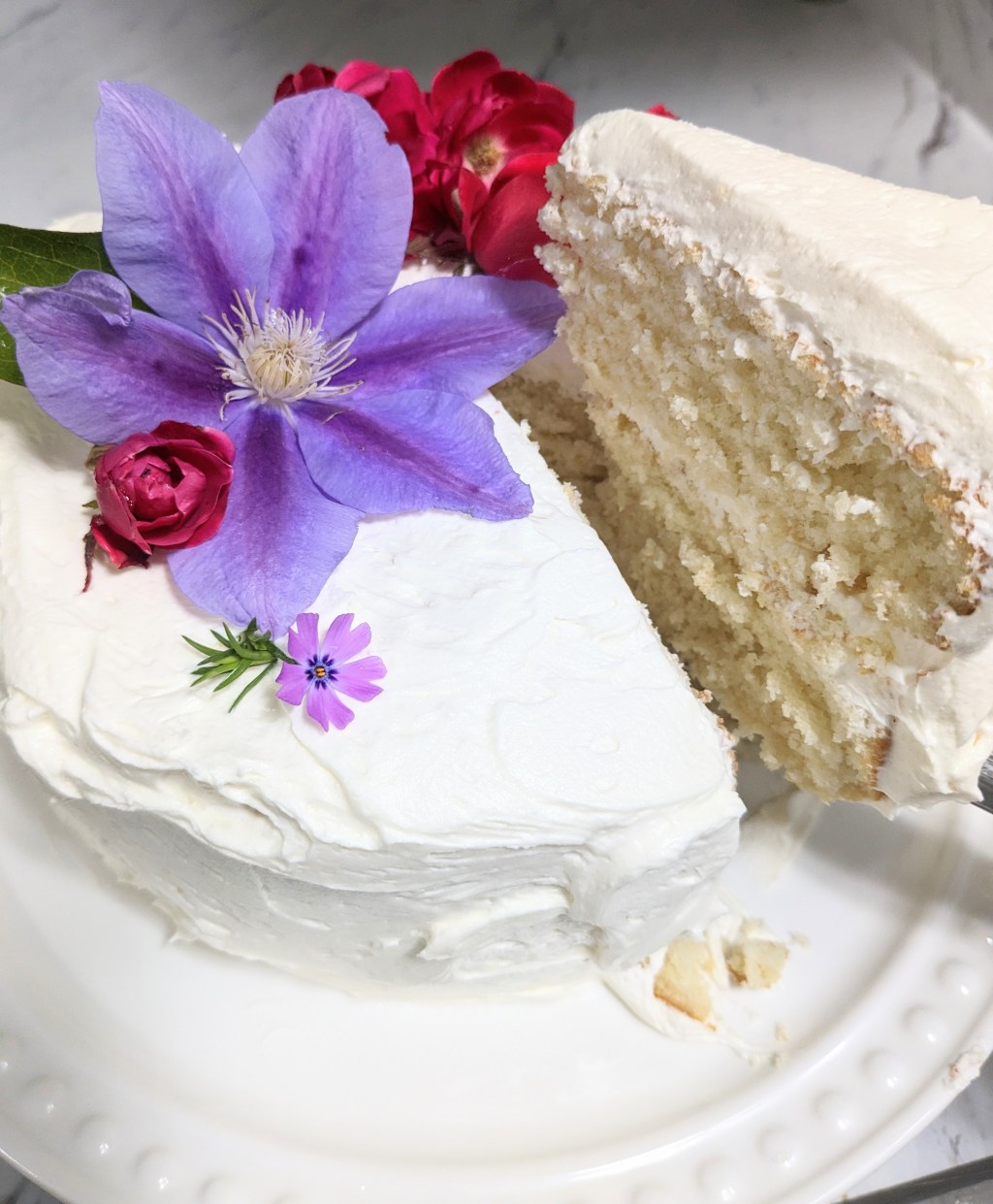
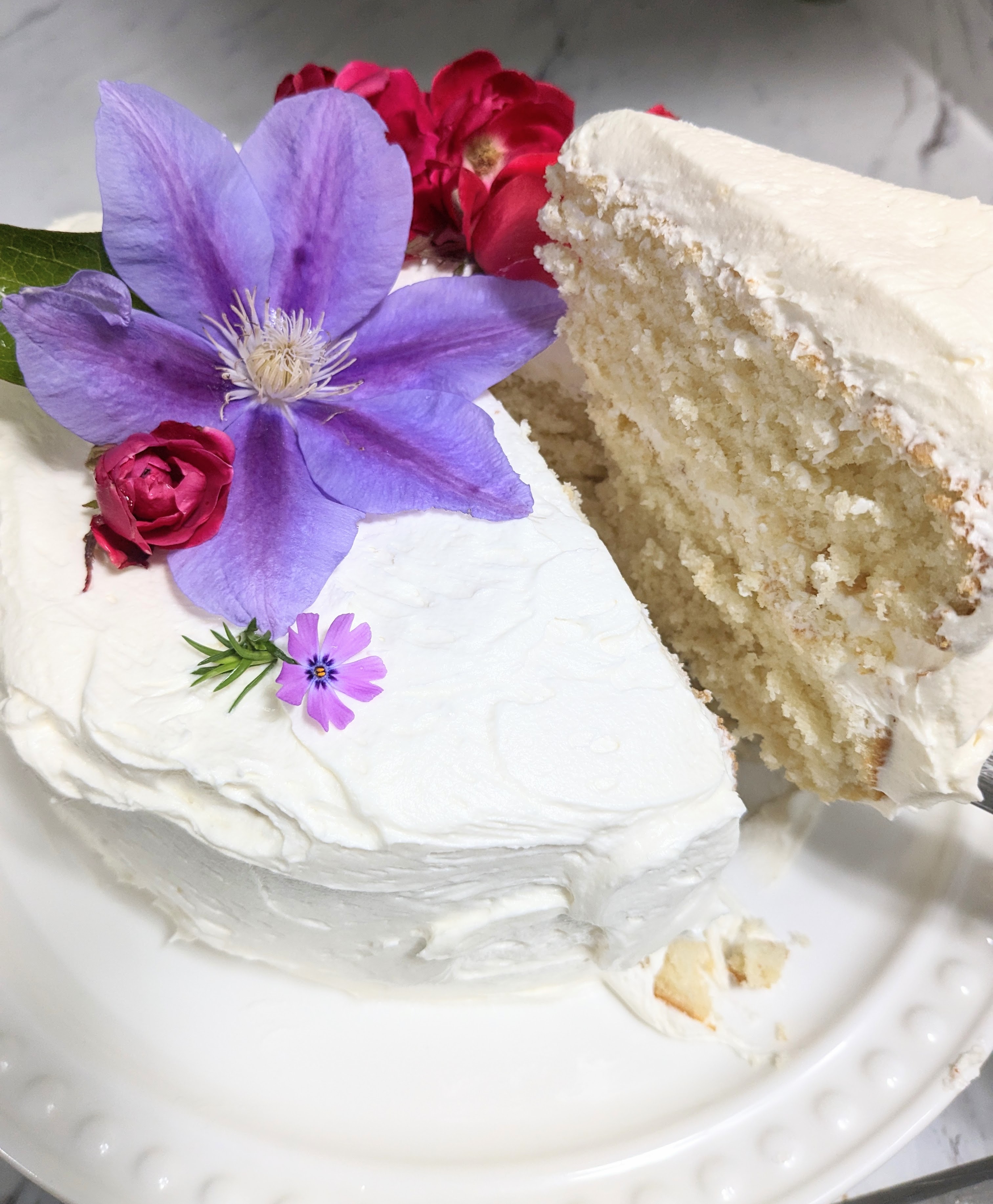
  • Homemade Vanilla Cake with Buttercream Icing

    Moist and fluffy, this simple cake recipe is perfect for special occasions, with buttery icing that isn’t too sweet.

    Ah, vanilla cake. The popular girl of all the cakes. But, she is also not the easiest to master. Any over or under mixing could ruin your cake. Sometimes it’s the difference between using bleached or unbleached flour (you should be using bleached). If you don’t use fresh flour, it will taste like cornbread. She is a picky gal, and rightfully so. She’s at all the birthday parties, weddings, and the holiday parties. Vanilla cake has such a simple, bare bones taste that any hiccups will be evident in the flavor. Once you learn the basics, you can easily master this recipe and be the talk of the party with your homemade vanilla cake with buttercream icing. I’ll tell you all the trade secrets I’ve learned about baking a wonderful, flavorful, and decadent vanilla cake.

    What’s in Homemade Vanilla Cake with Buttercream Icing?

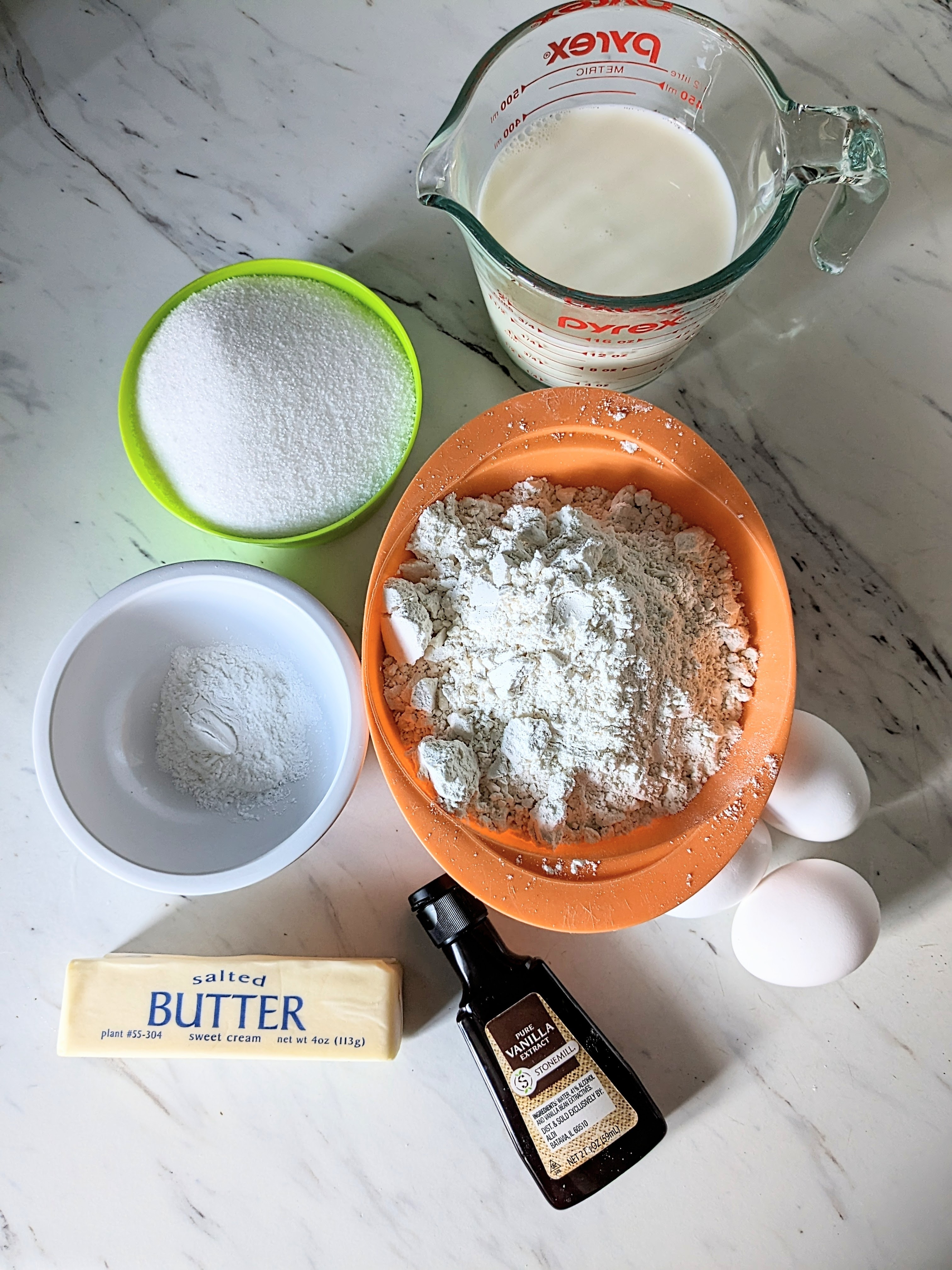
    The ingredients are simple and the list is only 7 items:

    • Flour
    • Sugar
    • Eggs
    • Vanilla Extract
    • Butter
    • Milk
    • Baking Powder

    The ingredients should be fresh, don’t use that flour that’s been sitting in your cupboard since last Christmas, like I just did. If you don’t use fresh flour, your cake will taste like cornbread. If your baking powder is expired, the cake won’t rise enough. Because vanilla cake is such a simple recipe, if you aren’t adding any extra flavors or fillings, each ingredient will be more pronounced, so quality ingredients are paramount to making your homemade vanilla cake with buttercream icing one to remember.

    Tips and Tricks

    • Use fresh ingredients
      • If you are using ingredients that aren’t fresh or if it isn’t stored properly, you will taste it. Make sure you store the flour in an airtight container by itself. The same goes for the butter, it will absorb the flavor of whatever is next to it. If you’re using eggs that are a couple weeks old, you can taste it.
    • Use room temperature ingredients
      • Eggs, milk, butter and other ingredients should be room temperature to emulsify. We are looking for the perfect cake crumb; soft and tender yet structured. If you use cold milk the butter will seize. We want everyone to play nice and get along. All ingredients need to be room temp to combine well. This means microwaving your milk for a few seconds, and letting your eggs rest in hot tap water for 5 minutes.
    • Grease your pan
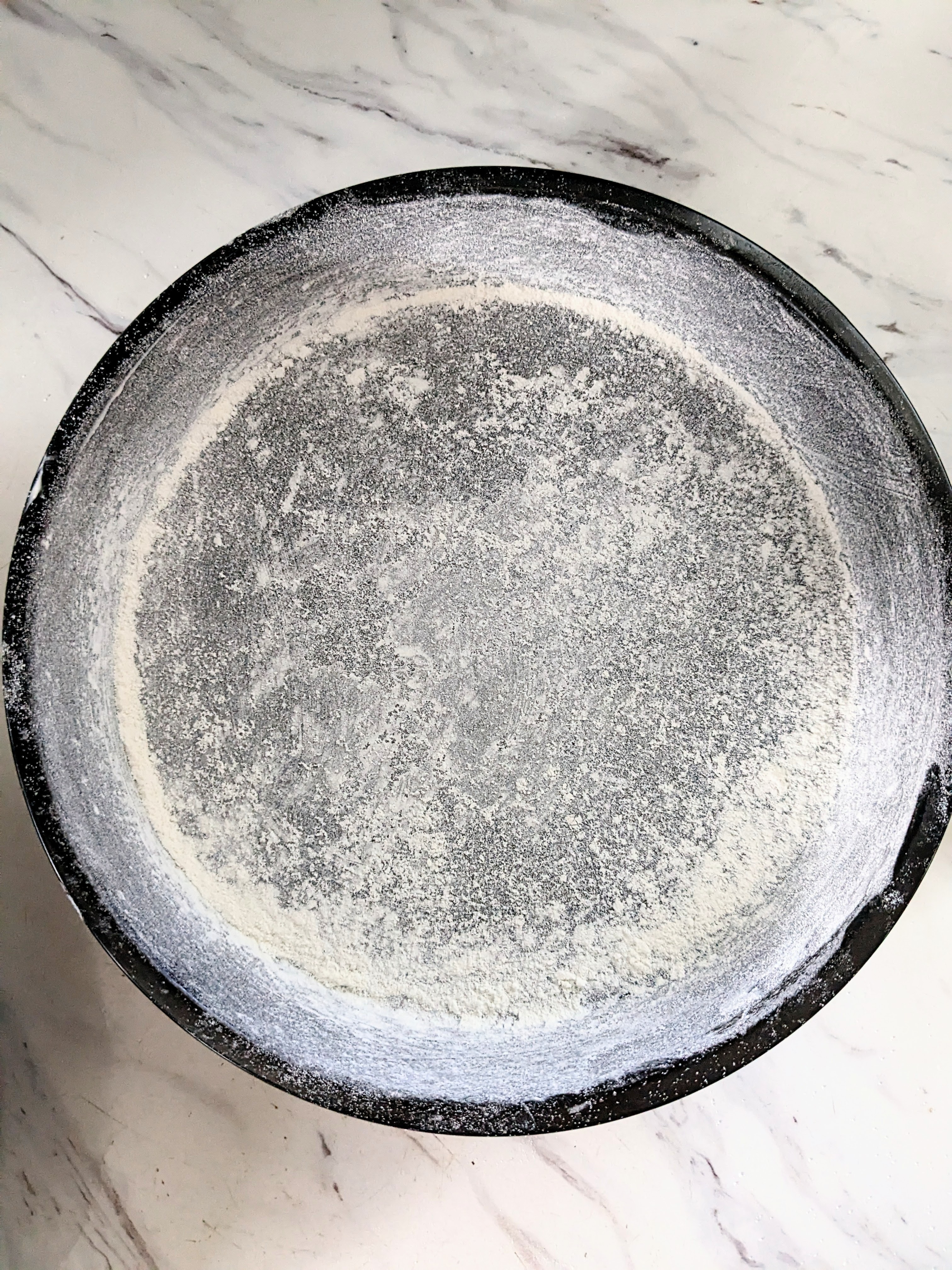
      • The pan should be well greased and floured in order for your cake to come out in one piece. Use butter or crisco to coat the pan (I smear it on with a paper towel), then add a bit of flour and shake it all around so it sticks to the fat. You can also use cooking spray if you are into that sort of thing, but I don’t like adding any artificial ingredients to my food.
    • Pull it out of the oven as soon as it is done baking
      • I prefer a moist cake (really, who doesn’t?) So I always check it a couple minutes early by using the toothpick method or GENTLY tapping the top with my finger. If you stick a toothpick in the middle and it comes out clean, it’s done.
    • Freeze it
      • Once your cake is done, let it cool in the pan for 10-15 minutes then pop them in the freezer until you are ready to ice them. I learned this from working at a bakery. When you freeze the cake, it locks in the moisture. It is also 1000 times easier to slap icing on a cake when it is frozen. It prevent crumbling while you are moving the icing around on the cake. Best tip ever.
    • Level the cake
      • If you are making layer cake like in this recipe, you need to cut the top off. I’m sure there is a special knife for this step, but I just use a serrated bread knife because it is long enough. You want to cut right across the top where the hump is and gently saw it off. Don’t worry too much if it isn’t perfectly level, you can make that up with icing. Now you can snack on your delicious dessert while you wait for the big event. Plus, you can serve your kids some so they don’t have to wait either!
    • Ice your cake upside-down
      • Since you just cut the tops off of your cakes, you’re exposed the inside and its going to be a bit crumby. You have less of a chance for the cake to crumble during the icing stage if you are icing the un-cut bottom, plus it is probably more level than the top.
    • Be generous with the buttercream icing
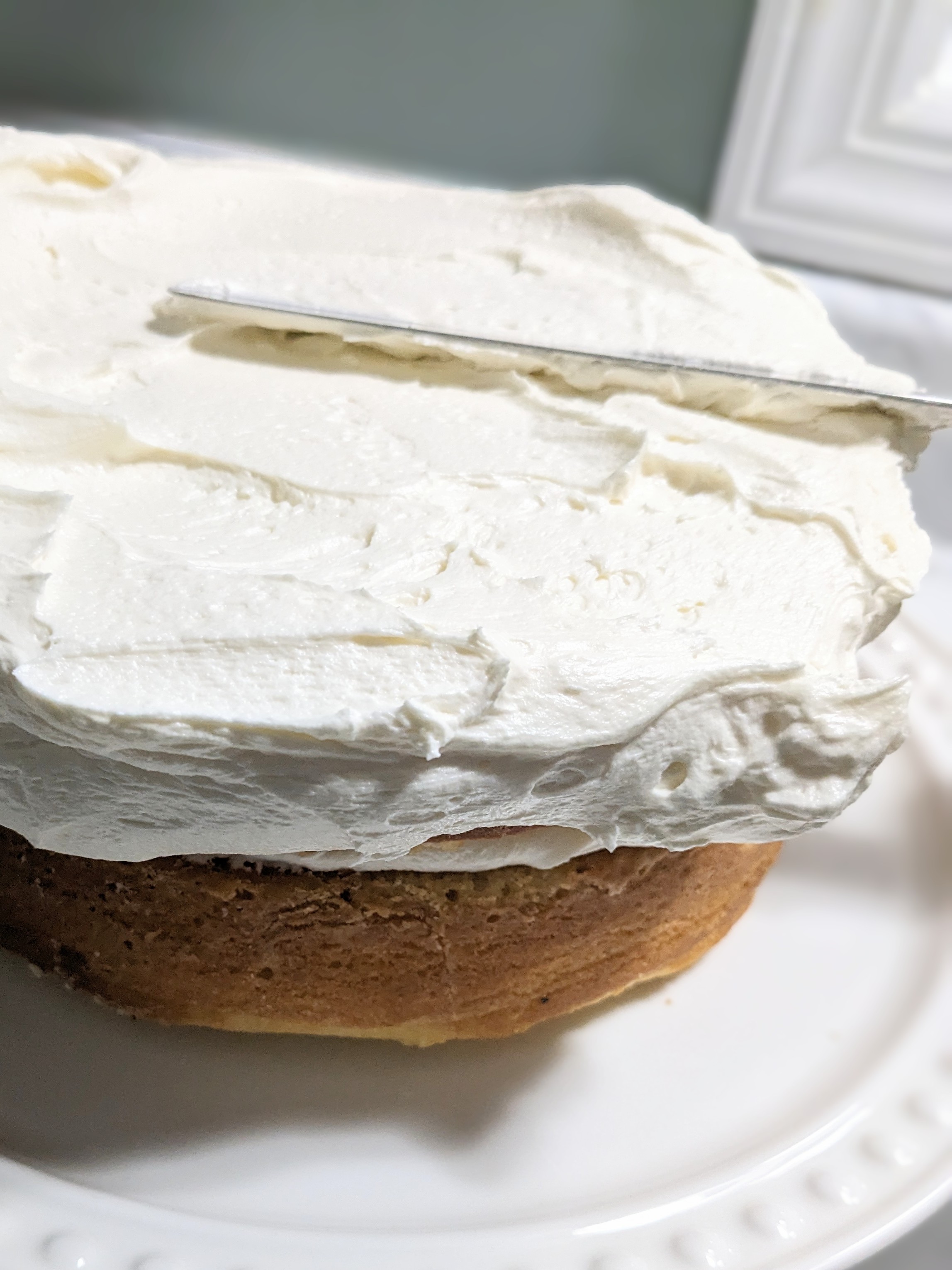
      • This is important for a smooth texture and to avoid crumbs in your buttercream icing. Some people do a crumb coat first, which is a thin layer of icing on the whole cake, then re-icing it with a thicker layer. I find this redundant and more likely to crumble the cake, which is hard to come back from. The best method I’ve found by working with many professionals, is to put a big glob of icing on the top and then spread it around the edges so it is pretty much drooping down the sides. Then bring it down the sides and add more buttercream icing as needed. You don’t want it to get thin at any point, because once it does, that cake will crumble. When in doubt, add more icing. If you do start to crumble the cake, take your time, and add more buttercream icing.

    Homemade Vanilla Cake with Buttercream Icing Recipe

    Vanilla Cake Ingredients:

    • 2 ½ cups all-purpose flour
    • 3 teaspoons baking powder
    • 1 teaspoon salt
    • ½ cup salted butter, at room temperature
    • 1 ½ cups granulated sugar
    • 3 large eggs, at room temperature
    • 1 tablespoon vanilla extract
    • 1 ½ cups whole milk, at room temperature

    Buttercream Icing Ingredients:

    • 1 cup unsalted butter, at room temperature
    • 4-5 cups powdered sugar (depending on how sweet you like it)
    • 1 teaspoon vanilla extract
    • 2-4 tablespoons whole milk or heavy cream

    Instructions:

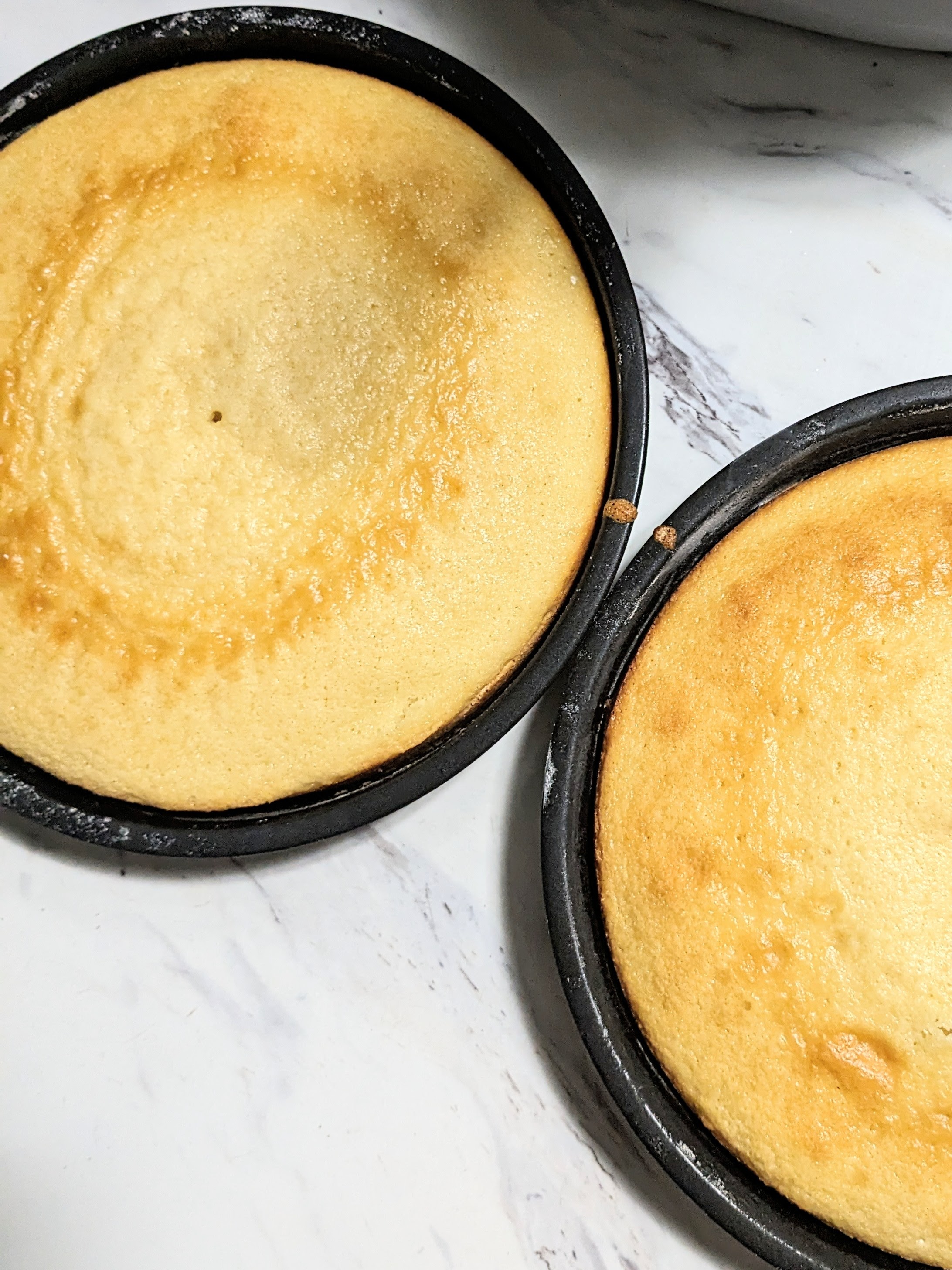
    1. Preheat your oven to 350°F (175°C). Grease and flour two 8 or 9-inch round cake pans.
    2. In a medium-sized bowl, mix together the flour, baking powder, and salt. Set aside.
    3. In a large mixing bowl, cream together the butter and sugar until light and fluffy.
    4. Add the eggs, one at a time, beating after each addition. Stir in the vanilla extract.
    5. Gradually add the dry ingredients to the wet ingredients, alternating with the milk. Begin and end with the dry ingredients, in 3 intervals, mixing just until combined.
    6. Divide the batter evenly between the prepared pans.
    7. Bake for 25-30 minutes, or until a toothpick inserted into the center of the cakes comes out clean.
    8. Remove the cakes from the oven and let them cool in the pans for 10 minutes. Then place them in a freezer to lock in the moisture.
    9. While the cakes freeze, make the buttercream icing.

    Buttercream Icing

    Ingredients:

    • 1 cup unsalted butter, at room temperature
    • 4 cups powdered sugar
    • 1 teaspoon vanilla extract
    • 2-4 tablespoons whole milk or heavy cream

    Instructions:

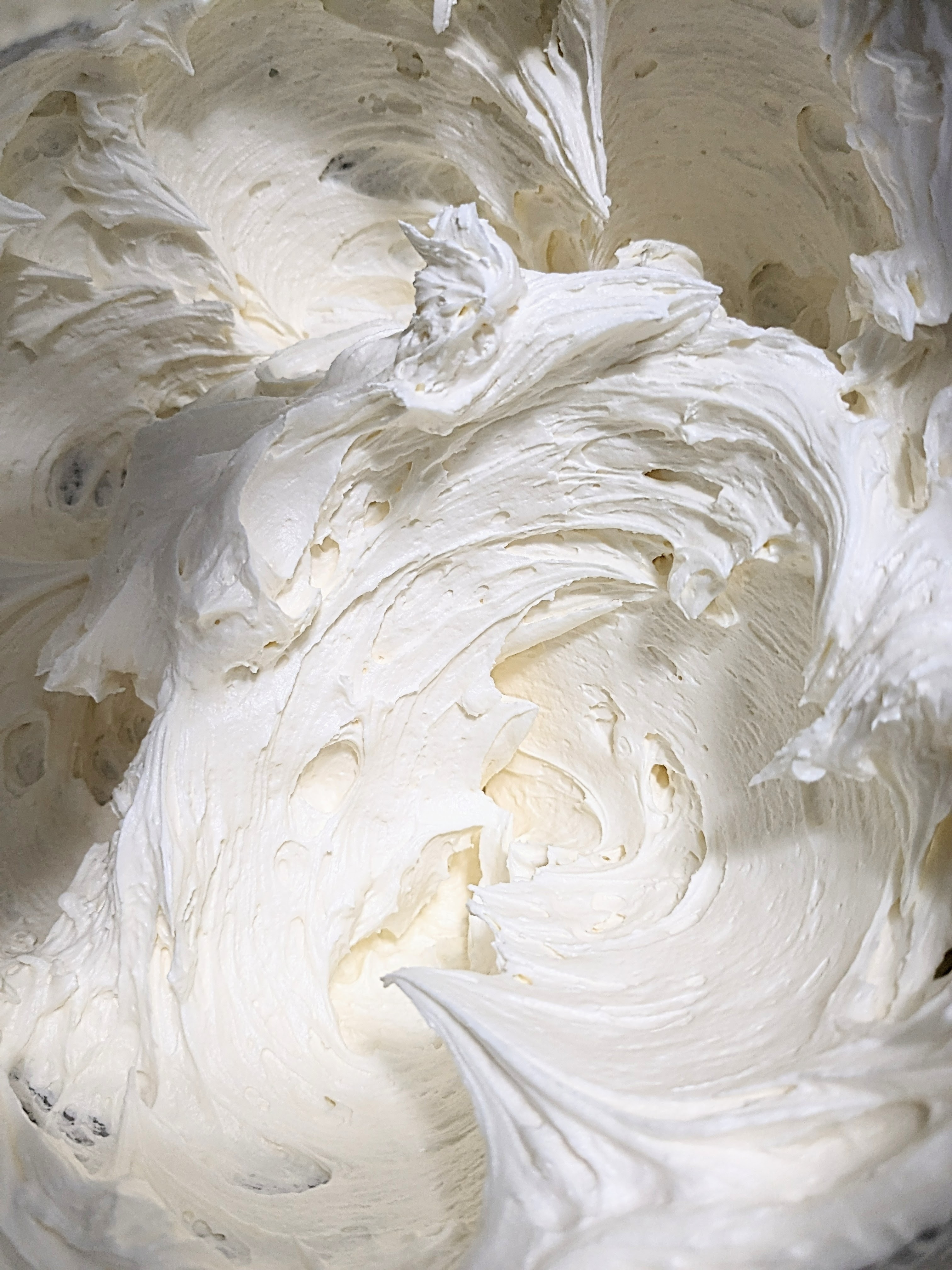
    1. In a large mixing bowl, beat the butter until creamy and smooth.
    2. Gradually add the powdered sugar, about 1 cup at a time, beating well after each addition until smooth.
    3. Stir in the vanilla extract.
    4. Add the milk or cream, one tablespoon at a time, until you reach your desired consistency. Beat well after each addition.
    5. Continue beating the icing for an additional 2-3 minutes until it is light and fluffy.
    6. At this stage you can add food coloring if you want something other than white.
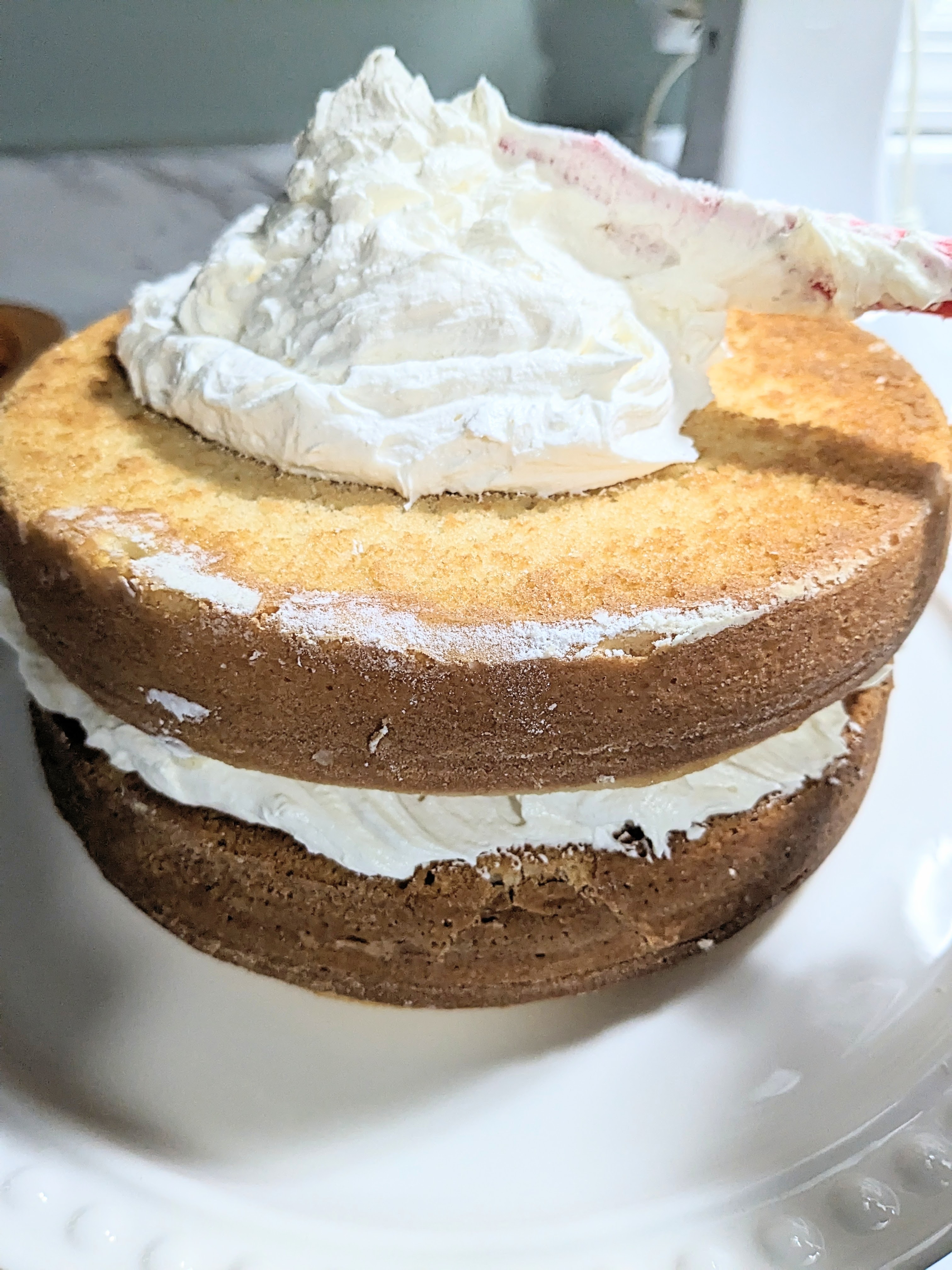
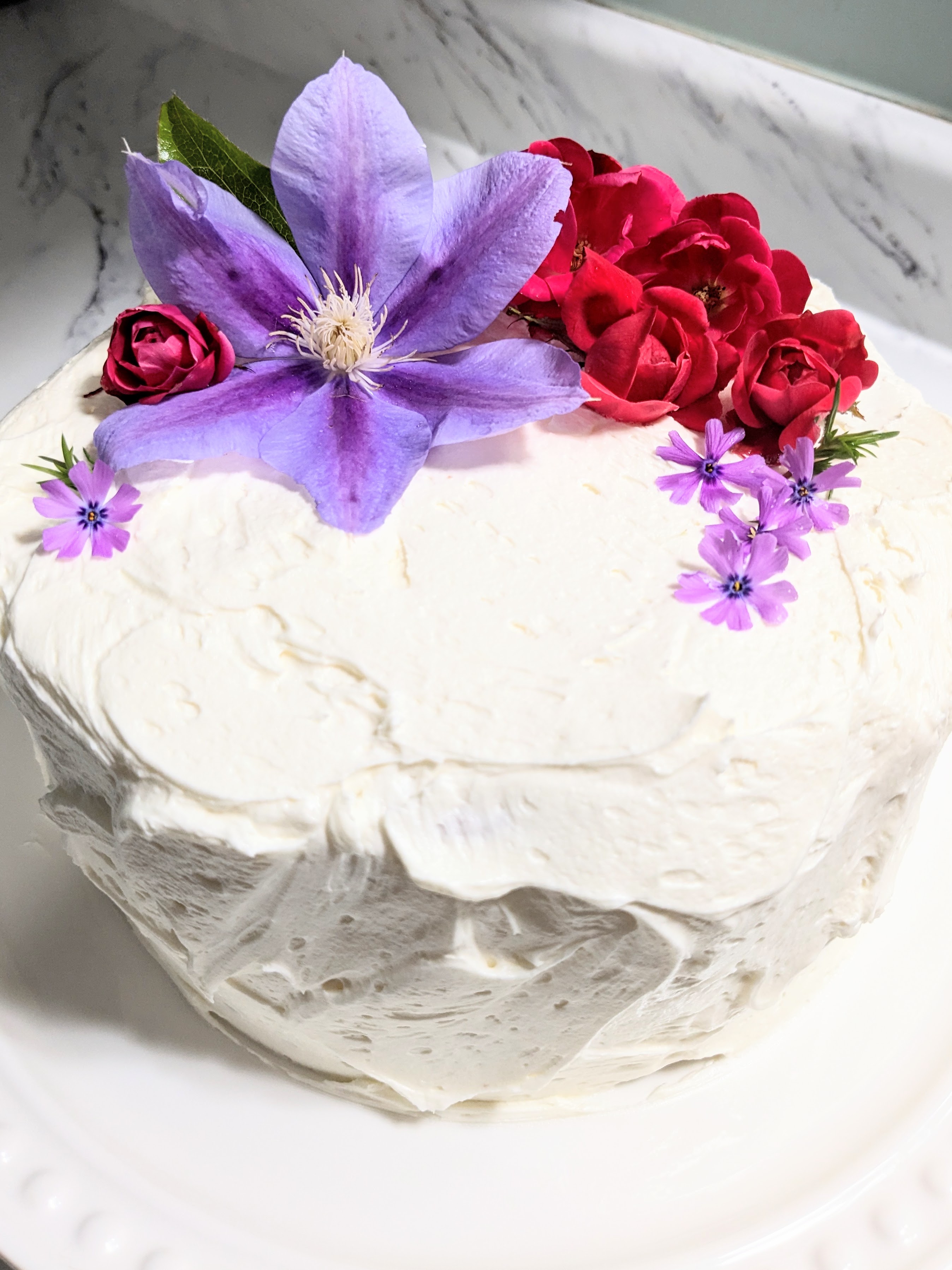
    7. Once your cake is cooled and ready, spread a generous amount of buttercream icing between the layers and on top of the cake.
    8. Decorate the cake as desired. I use fresh flowers from the garden and it just takes it up a whole level. We remove them before slicing and eating.

    Now you have a delicious homemade vanilla cake with buttercream icing that will definitely impress your guests!

  • Loaded Potato Soup

    This is an easy and comforting one pot potato soup with all the fixin’s!

    Loaded Baked Potato Soup

    This soup is super simple and the kids love it (my kids call it mashed potato soup!). It’s delicious, creamy, and is accented with bacon and cheddar. Savory and comforting, this soup is perfect for when the cool weather sets in. It’s filling and only calls for about 10 ingredients, and can easily be vegetarian if you omit the bacon. It’s a great meal prep soup to make ahead for those days when the kids have softball, football and youth group all in one night and you have to run all over town to get them there.

    Can you think of anything better than a comforting filling soup on a chilly day? Plus, did I mention the bacon? And the cheese? I mean really, who doesn’t love bacon and cheese? It’s also soooo good with sour cream and chives on top. Broccoli is another great addition for added vegetables, if you’re into that sort of thing.

    Tips

    For a creamy soup, it’s best to use an immersion blender to puree some of the soup. If you don’t have one, you could also use a blender to puree about half the soup for a perfect creamy consistency. You could puree all of it if you want it to be super creamy (perfect for baby) or none of it if you want all that chunky goodness.

    The potatoes should be cut into bite size pieces. For my house, this means they are less than an inch in diameter because I have tiny mouths to feed. It also helps them to cook faster when they are smaller.

    The bacon should be crispy, and you don’t want to add it until right before serving. To get a perfect crispy consistency, I use my air fry fryer and roast for 9 minutes, then flip and broil for 2-3. Then transfer to a paper towel lined plate.

    Loaded Baked Potato Soup Recipe

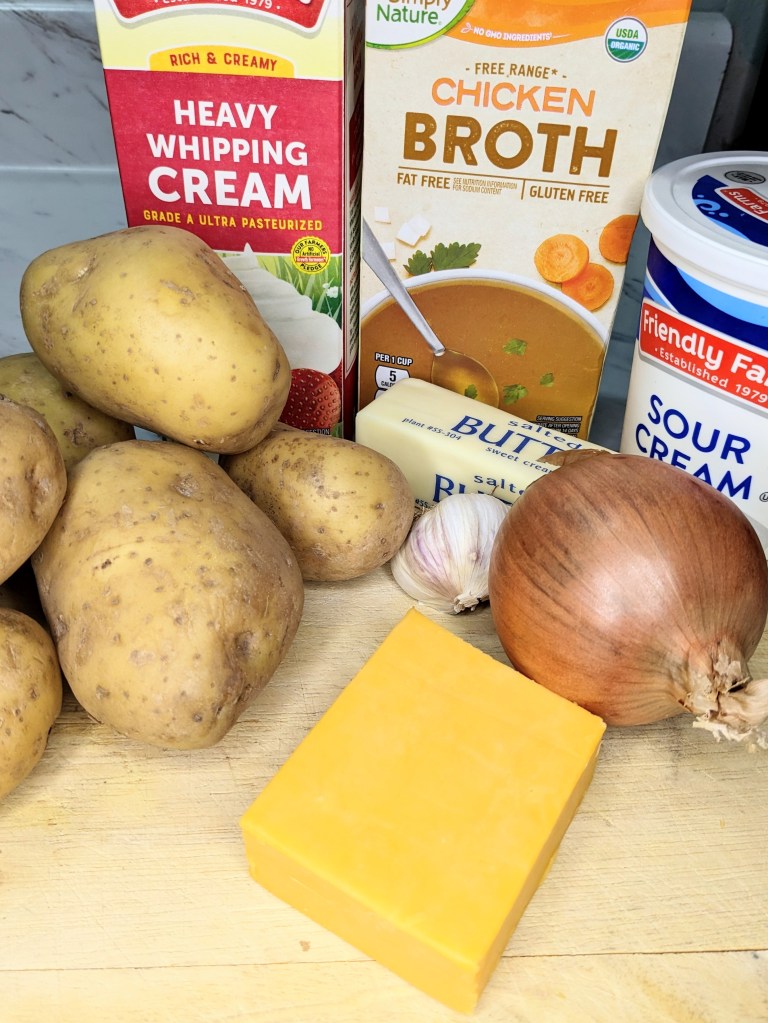
    Ingredients:

    • 6 large baking potatoes, peeled and cut into 1″ pieces
    • 1 pack of bacon, cooked and chopped
    • 1 large diced onion
    • 4 cloves garlic, minced
    • 4 cups chicken broth
    • 1/2 cup whole milk
    • 1/2 cup heavy cream
    • 2/3 cup flour
    • 1 cup freshly shredded cheddar cheese
    • 1/2 cup sour cream
    • Salt and pepper to taste
    • Chopped green onions, for garnish

    Instructions:

    1. Cook the bacon in an air fryer on the roast setting at 450 degrees for 7 minutes, flip and cook for another 2-3 until crisp. Place on a paper towel line plate to drain.
    2. In a large pot, add the diced onion and minced garlic. Cook for about 3-4 minutes until the onion becomes translucent.
    3. Add the flour to the onion mixture and stir, then add potatoes, chicken broth, milk and heavy cream to the pot and bring it to a boil. Reduce the heat and let it simmer for 10 minutes.
    4. Once the potatoes are cooked and fork tender, stir in 3/4 cup of the shredded cheddar cheese until melted. Season with salt and pepper to taste.
    5. Ladle the soup into bowls and top each serving with a sprinkle of crispy bacon, cheddar cheese, sour cream and chopped green onions.
    6. Serve hot and enjoy!

    This loaded baked potato soup is the perfect comfort food for cold and rainy days. Enjoy!

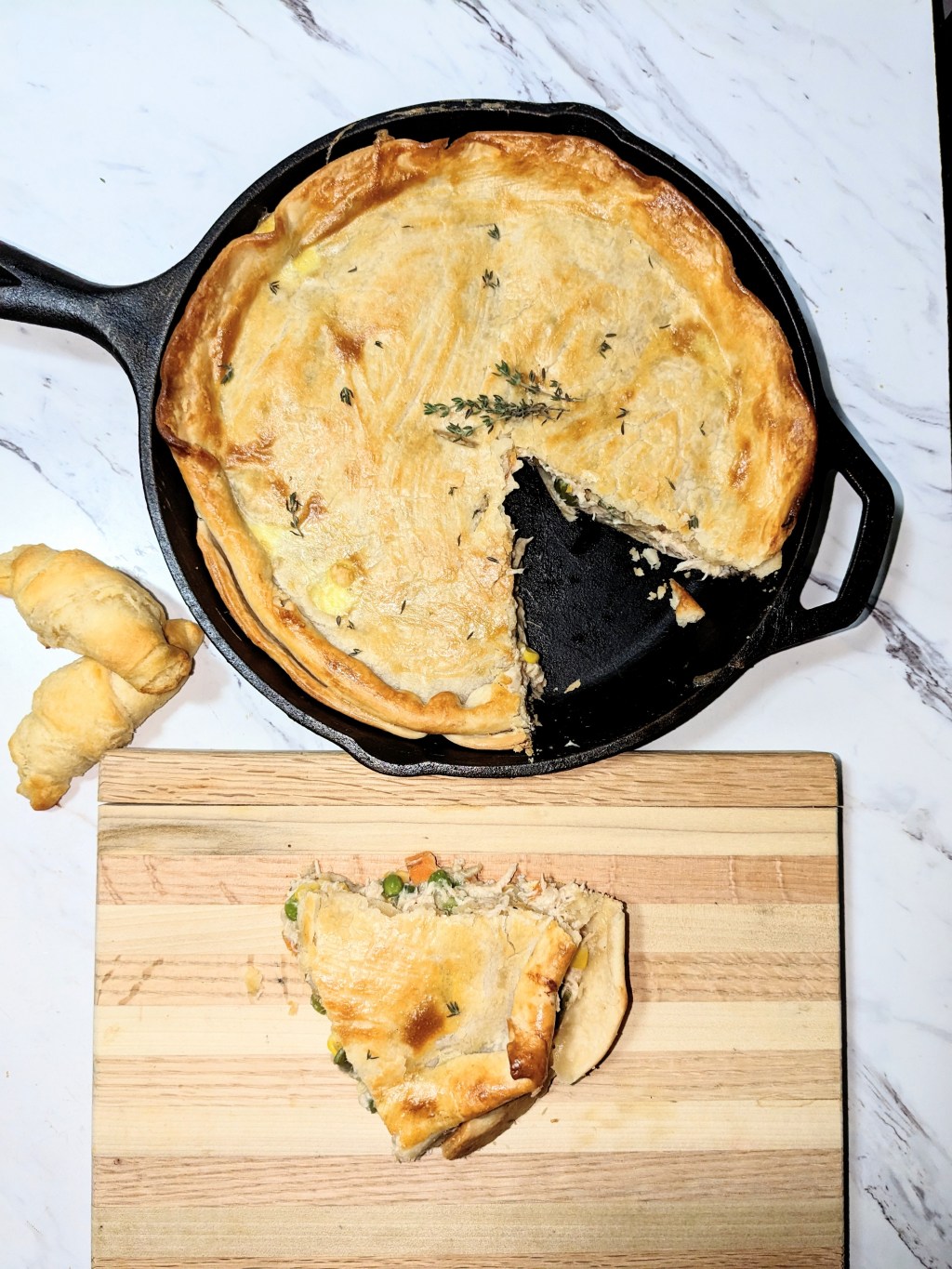
  • Simple Chicken Pot Pie

    This chicken pot pie is simple, easy, and delicious!

    Easy Chicken Pot Pie

    Chicken pot pie is always in the rotation during the colder months. It’s so simple, and you can add or remove any of the ingredients. By using rotisserie chicken, you can save time and add a delicious layer of flavor. I used to bake mine in a 9×13 pan, but ever since I was turned on to cast iron, I find it to be the easiest way to cook. It’s minimum clean up. The only dishes that I had to wash was the pan and a spatula.

    The Chicken

    If you use rotisserie chicken, it will save you a huge amount of time and dishes, plus it tastes really good. If you don’t have any handy, you can make your own chicken by pan frying, baking, grilling, or even using leftover fried chicken (yum)!

    The Veggies

    You can use fresh or frozen, depending on the season, and pot pie season is in the colder months so I usually use frozen. Just a bag of mixed veggies will do just fine. These usually include green beans, corn, peas, carrots, onions etc.

    The Crust

    It is important for chicken pot pie to have a flaky buttery crust. This is achieved by brushing the top with a beaten egg. I usually buy my pie crust which comes in a roll, and I like to press some fresh thyme into it. It makes it pretty and amps up the flavor

    Let’s get down to business.

    Simple Chicken Pot Pie Recipe

    Ingredients:

    • 1 rotisserie chicken or 2 cups cooked chicken (shredded or cut into bit size pieces)
    • 1 1/2 cup frozen mixed vegetables
    • 3 tbsp all-purpose flour
    • 1 1/2 cup chicken broth
    • 1/2 cup heavy cream
    • 1/2 teaspoon salt
    • 1/4 teaspoon black pepper
    • 1/2 teaspoon dried thyme
    • 1/2 teaspoon dried parsley
    • 1 beaten egg
    • 1 refrigerated pie crust

    Instructions:

    1. Preheat your oven to 400°F (200°C).
    2. In a large skillet or cast iron, melt the butter over medium heat. Add the vegetables.
    3. Stir in the flour and cook for 1-2 minutes, stirring constantly.
    4. Gradually whisk in the chicken broth and cream until well combined and smooth. Continue cooking and stirring until the mixture thickens.
    5. Add the cooked chicken, salt, black pepper, dried thyme, and dried parsley to the skillet. Stir everything together until well coated with the sauce. Remove from heat and set aside in a bowl.
    6. Wipe out the cast iron and use butter or oil to re-season
    7. Line the bottom of the cast iron with the pie crust and fill with the chicken mixture.
    8. Place the second pie crust over the top of the dish, trimming any excess crust. Brush with beaten egg. Cut a few slits in the crust to allow steam to escape.
    9. Bake in the preheated oven for 30-35 minutes, or until the crust is golden brown and the filling is bubbly.
    10. Remove from the oven and let it cool for a few minutes before serving.

    Enjoy your homemade chicken pot pie!

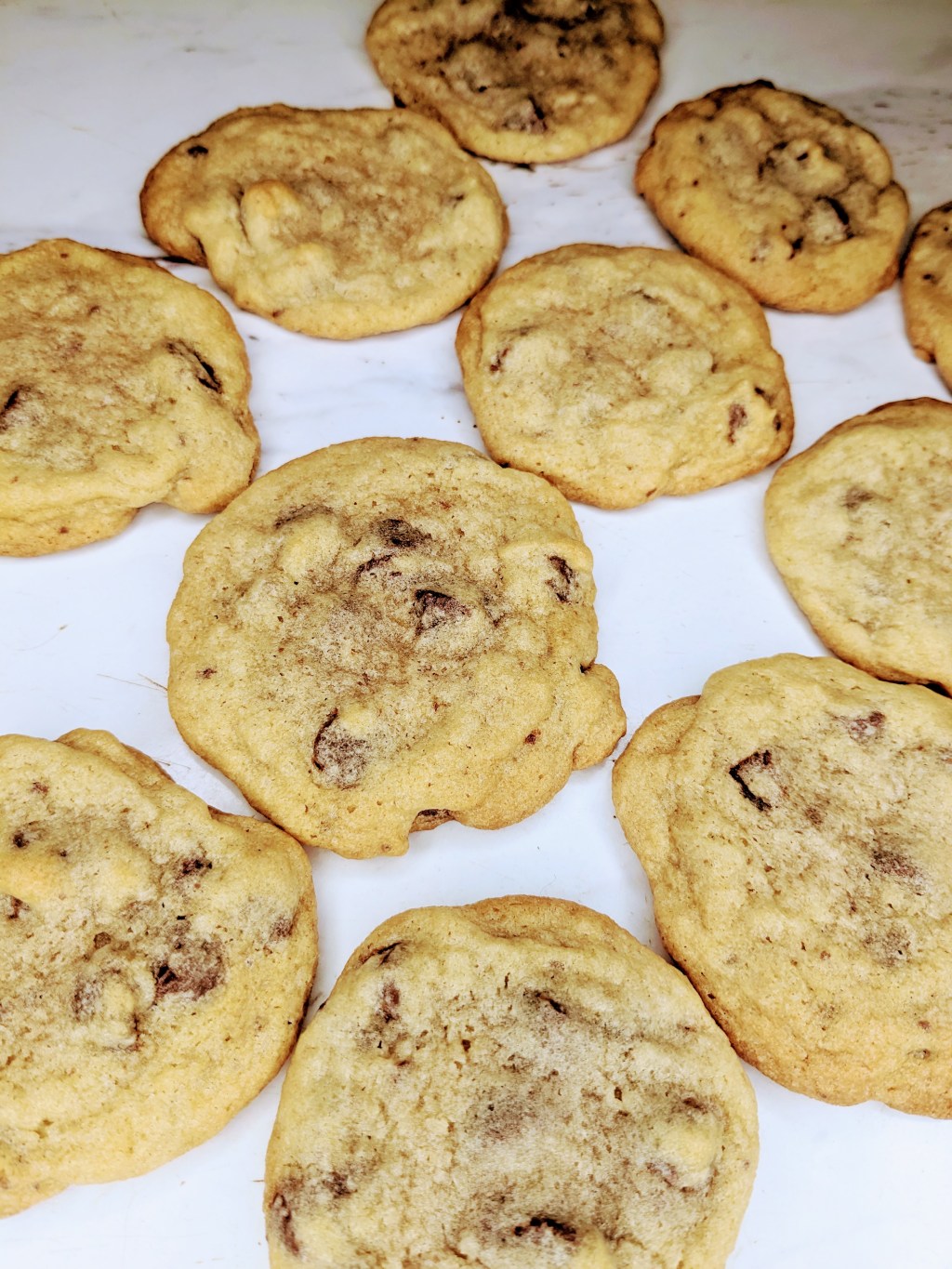
  • Homemade Chocolate Chip Cookies

    These are seriously the best chocolate chip cookies…like ever. Did I tell you I worked at a bakery for 10 years? Well I did. And in doing so I learned the trade secrets to creating the best baked goods. Now I can pass them along to you. I know you will enjoy these as much as my dad did, because I shared couple dozen of these with him and he ate them all…in one sitting. Granted, he has a major sweet tooth, but I know these are damn good. They barely lasted a day in my house.

    The Chocolate Chips

    I always use semi sweet chips. Now, I’ve used milk chocolate and dark chocolate and white chocolate and peanut butter chips but good ol’ semi sweet are the best. There is a reason they are the most used. They are the perfect texture and flavor for a traditional chocolate chip cookie. There just is no substitute.

    The Sugar

    You are going to need 2 types of sugar here. Brown and white. Too much brown sugar leaves the cookie tasting like molasses and too much white leaves them tasting like they have no depth to the flavor. You should use half white sugar and half brown sugar.

    The Texture

    Now, If you want a chewy chocolate chip cookie, you absolutely can not over mix the dough, and you need to underbake them just slightly. I will always pull them out a minute or two under the minimum bake time and cool immediately. I love when it’s cold out and I can just put them outside to cool down.

    Storage (if you even have any leftover)

    The best way to store cookies is to let them cool completely. Then, you need to put them in an airtight container and leave them at room temperature. Oh, and they key to keeping them nice and chewy? Bread. Yup, you ned to place a slice of white bread in the container to keep those babies moist and chewy. The cookies will absorb the moisture from the bread and the slice will dry up like a prune. I use this trick for all the cookies I bake that I want to keep chewy.

    Ingredients:

    • 1 cup (2 sticks) unsalted butter, softened
    • 3/4 cup granulated sugar
    • 3/4 cup packed brown sugar
    • 2 large eggs
    • 1 teaspoon vanilla extract
    • 2 3/4 cups all-purpose flour
    • 1 teaspoon baking soda
    • 1/2 teaspoon salt
    • 2 cups semi-sweet chocolate chips

    Instructions:

    1. Preheat your oven to 375°F (190°C). Line a baking sheet with parchment paper or silicone baking mat.
    2. In a large mixing bowl, cream together the softened butter, granulated sugar, and brown sugar until light and fluffy.
    3. Add the eggs one at a time, mixing after each addition. Stir in the vanilla extract.
    4. Slowly, add together the flour, baking soda, and salt. Gradually add the dry ingredients to the wet ingredients, mixing just until combined. Avoid overmixing to keep the cookies chewy.
    5. Fold in the semi-sweet chocolate chips until they are evenly distributed throughout the dough.
    6. Drop rounded tablespoons of cookie dough onto the prepared baking sheet, spacing them about 2 inches apart.
    7. Bake for 9-11 minutes, or until the edges are lightly golden. Remember, if you prefer a chewy texture, slightly underbake them by pulling them out a minute or two before the minimum bake time.
    8. Remove the baking sheet from the oven and allow the cookies to cool on the sheet for a few minutes. Then, transfer them to a wire rack to cool completely.
    9. Once the cookies are completely cooled, store them in an airtight container at room temperature. To keep them chewy, place a slice of white bread in the container. The cookies will absorb the moisture from the bread, while the slice will dry up.

    Enjoy these delicious homemade chocolate chip cookies with a glass of milk!

  • Quick and Easy Fried Chicken

    This succulent Fried Chicken recipe can be made in as little as 30 minutes.

    Quick and Easy Fried Chicken

    Fried Chicken is an American classic. There are countless variations, and everyone has a different favorite. This is my favorite way to make it because it is juicy and flavorful while quick to make. I don’t bother to dip in egg batter and flour, as a full time working mom, I just don’t have time for extra unnecessary steps in the kitchen. By using garlic and a mix of seasoned breadcrumbs, I find this chicken is perfectly delicious and the leftovers never last. It’s so good that we just eat it the next day cold with mayo!

    The Chicken

    I use natural or organic thin sliced breast. It’s cheaper to buy it whole or on the bone, but like I said, I just don’t have the time to bother with butchery. I don’t even want to fillet a large breast, that’s why I buy the thinner cuts. I pat it dry and season with salt pepper and garlic powder. This is the key to a flavorful breast, you have to season before you bread it. The key to the crispy texture is to line a plate with paper towels to absorb the oil after frying. This keeps the breading crisp.

    The Breadcrumbs

    The breadcrumbs I use are a mixture of 2/3 Italian seasoned and 1/3 Panko. This way the finer crumbs in the Italian seasoned coat the chicken well and the Panko gives it an amazing crunch. I always add extra salt, pepper, and garlic. If I have fresh parmesan, I’ll grate some of that into the breadcrumb mix as well.

    The Oil

    I use a variety of different oils when I’m cooking fried chicken, it usually just depends on what I have on hand. I usually use vegetable to canola oil. You could also use lard like Crisco, Coconut oil, or tallow. I know the oil is hot enough when I splash a drop (and I mean a tiny drop) of water in the oil and it sizzles.

    Leftovers

    I love having leftovers of this fried chicken. It makes an amazing sandwich with just mayo, salt and pepper. Bonus points if you have a fresh Jersey Tomato and homemade sourdough bread. I store my chicken by lightly wrapping with a paper towel to avoid it getting soggy, and place in an air tight container or bag. This keeps for 2-3 days in the refrigerator, but it never lasts that long in mine because it’s usually gone in a day!

    Quick and Easy Fried Chicken Recipe

    Ingredients:

    • Natural or organic thin-sliced chicken breast
    • 1/2 tsp garlic powder
    • 2/3 cup Italian seasoned breadcrumbs
    • 1/3 cup Panko breadcrumbs
    • Salt and pepper (to taste)
    • Optional: 1/4 c Freshly grated parmesan cheese
    • Vegetable oil, canola oil, or your preferred frying oil

    Instructions:

    1. Pat the chicken breast dry and season it with salt, pepper, and garlic powder on both sides.
    2. In a shallow dish or plate, mix together the Italian seasoned breadcrumbs, Panko breadcrumbs, salt, pepper, and garlic. If desired, add freshly grated parmesan cheese to the mixture.
    3. Heat your preferred frying oil in a deep skillet or frying pan over medium heat. You can test if the oil is hot enough by splashing a tiny drop of water into the oil—if it sizzles, it’s ready. You should fill the vessel about halfway with oil, or just enough to barely cover the chicken.
    4. Coat each chicken breast with the breadcrumb mixture, making sure it is coated evenly on both sides. Press the breadcrumbs onto the chicken to ensure they adhere well.
    5. Carefully place the breaded chicken into the hot oil and cook for about 4-5 minutes on each side, or until golden brown and cooked through. Make sure to monitor the heat and adjust it if needed.
    6. Once cooked, transfer the fried chicken to a paper towel-lined plate to drain excess oil.
    7. Serve the fried chicken while it’s still hot and crispy.

    Enjoy your delicious homemade fried chicken! Feel free to serve it with your favorite side dishes and dipping sauces. Mashed Potatoes go perfectly with this dish.